There’s a certain comfort in knowing you can walk into your kitchen, fill a glass from the faucet, and enjoy a refreshing drink without giving it a second thought. Unfortunately, that’s not everyone’s experience. Unpleasant tastes, unusual odors, and concerns about dissolved contaminants can leave homeowners wondering whether their tap water needs additional treatment.
Bottled water might seem like an easy alternative, but constantly buying and storing it becomes inconvenient after a while.
Reverse osmosis offers another possibility. It’s a well-established water treatment technology that can address a range of drinking water concerns. Before investing in equipment, though, it helps to understand how the process works and whether it makes sense for your household.
What Makes Reverse Osmosis Different From Ordinary Filtration?
Most people are familiar with basic water filters. They’re commonly found in refrigerator dispensers, filter pitchers, and faucet attachments. While useful for certain purposes, these products may have limited effectiveness against dissolved substances.
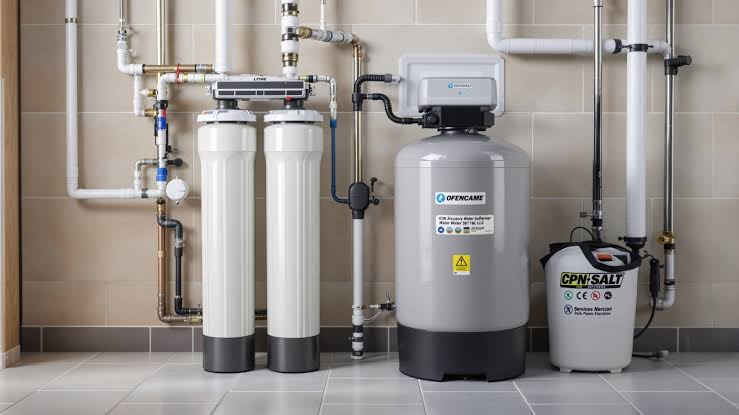
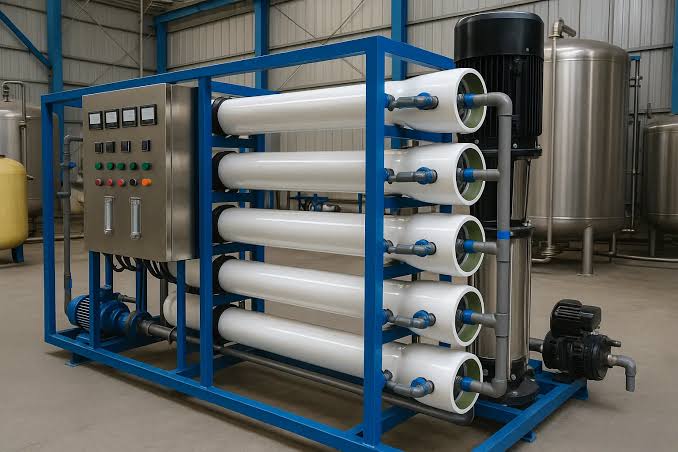
Modern reverse osmosis water filter systems take a different approach by using pressure to move water through a semipermeable membrane that rejects many dissolved contaminants.
The process separates incoming water into two streams: treated water and a concentrated stream carrying rejected substances.
Depending on their design and verified performance, these systems can reduce contaminants such as lead, nitrates, and dissolved salts.
Many units also include sediment and carbon filters to protect the membrane and address certain taste and odor concerns.
It’s a clever combination of technologies, with each component performing a particular job.
Why Treating Water Directly at the Kitchen Sink Makes Sense
Not every household water concern requires treatment across the entire property. Sometimes, the main priority is simply improving the water used for drinking and cooking.
That’s where point-of-use drinking water treatment becomes particularly practical. Instead of treating every gallon entering the house, this approach focuses on water delivered at a specific location, typically the kitchen sink.
Under-sink equipment can remain neatly tucked away inside a cabinet, often connected to a dedicated drinking water faucet.
You can fill reusable bottles, prepare meals, and make beverages without constantly reaching for bottled alternatives.
For households primarily concerned about drinking water quality, targeted treatment may be more practical than installing extensive equipment throughout the property.
The Difference Better Water Can Make in Your Kitchen
Anyone who’s serious about their morning coffee probably understands how much small details matter. The beans, brewing temperature, and grind size all influence the final result. But what about the water?
Certain dissolved substances and disinfectant-related flavors can affect the taste of beverages and cooked foods.
Appropriate treatment may help create a more neutral flavor, although some mineral content can be desirable for coffee preparation.
There’s also the everyday convenience factor. Having treated water readily available makes filling a saucepan, preparing lemonade, or packing water bottles for a family outing considerably easier.
These aren’t enormous lifestyle changes. Still, the little conveniences often turn out to be the ones we appreciate most.
Finding a System That Fits Your Household
Shopping for drinking water equipment can feel unnecessarily complicated. Some products advertise multiple filtration stages, while others emphasize compact designs, higher production capacity, or improved water efficiency.
When comparing reverse osmosis filtration options, consider your incoming water quality, available cabinet space, daily consumption, and expected maintenance requirements.
Traditional systems often include storage tanks that hold treated water for convenient access. Tankless designs produce water on demand and may require less installation space, although their performance depends on equipment specifications and operating conditions.
Ask about independent certification for the particular contaminants you’re concerned about.
A system that performs reliably and fits comfortably into your household routine is generally more valuable than one packed with features you’ll never use.
Understanding Water Efficiency and Operating Costs
Reverse osmosis has several potential advantages, but it’s worth looking at the practical considerations too.
The treatment process produces a reject water stream containing substances separated from the incoming supply. The amount of water discharged varies depending on system efficiency, water pressure, membrane condition, and equipment design.
Replacement filters and membranes also contribute to ongoing ownership costs.
Before purchasing a unit, ask about its water efficiency, estimated servicing expenses, and replacement component availability.
If your household currently spends considerable money on bottled water, installing suitable equipment may help reduce that expense over time.
However, actual savings depend on consumption habits and operating costs. It’s better to make realistic comparisons than rely on ambitious marketing promises.
Does Every Home Need Reverse Osmosis?
Not necessarily. Some households may only experience mild chlorine-related tastes or odors that a suitable carbon filter can address.
Others may have specific dissolved contaminants that require more advanced treatment.
Reliable water testing is the best starting point. If you’re concerned about drinking water safety, arrange appropriate laboratory analysis rather than relying solely on appearance or taste.
Understanding your water conditions helps you avoid unnecessary purchases.
Keeping Your Drinking Water System Working Properly
Regular maintenance is essential for dependable treatment performance.
Pre-filters need periodic replacement, membranes eventually require servicing or replacement, and storage components should be maintained according to manufacturer instructions.
Keep track of service dates and investigate noticeable changes in water flow or taste.
A Thoughtful Upgrade for Everyday Living
Better drinking water doesn’t have to involve complicated decisions or expensive equipment that exceeds your needs.
With appropriate testing, carefully selected technology, and consistent maintenance, homeowners can address specific concerns while enjoying greater convenience in the kitchen.
Sometimes, a worthwhile home improvement is simply being able to turn on the faucet, fill your favorite glass, and enjoy the water. It’s an ordinary moment, perhaps, but one that happens every single day.