When a water treatment system breaks down, getting it repaired feels like the finish line. The technician has replaced the faulty part, the leak has stopped, and the water is flowing again. Naturally, you want to get back to normal and forget about the whole thing. But there’s one more step worth taking before you do: make sure the repair has actually solved the problem.
Water treatment equipment can be surprisingly complex. A small fault may affect pressure, filtration performance, or the way the system operates during a treatment cycle. Even when everything looks fine from the outside, a quick check can reveal whether something still needs attention. It doesn’t have to become a major project. A few sensible observations can give you more confidence that your equipment is ready for everyday use.
Give the System Time to Settle
After a repair, don’t assume the system will behave exactly as it did before the problem occurred. Some equipment needs to be flushed, restarted, or allowed to complete a cycle before it can return to normal operation. The correct procedure depends on the model and the work performed, so follow the technician’s instructions rather than relying on a generic checklist.
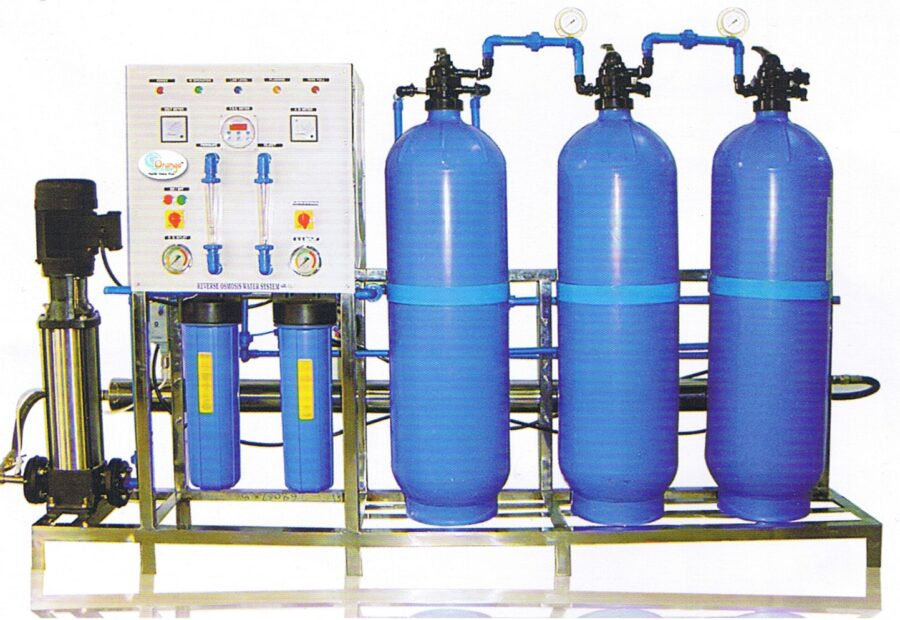
If a filter cartridge or membrane was replaced, ask whether the system needs flushing before the water is used for drinking or cooking. If a water softener was serviced, the technician may need to confirm that its regeneration settings and valves are operating correctly. A reverse osmosis unit may require checks of its storage tank, connections, and production rate.
This is a good time to ask questions, even if the repair seems straightforward. What was replaced? Was any other component showing signs of wear? Is there anything you should watch for over the next few days? A short conversation can prevent confusion later, particularly if the system has controls or maintenance requirements you’re not familiar with.
Check the Water Flow at Your Fixtures
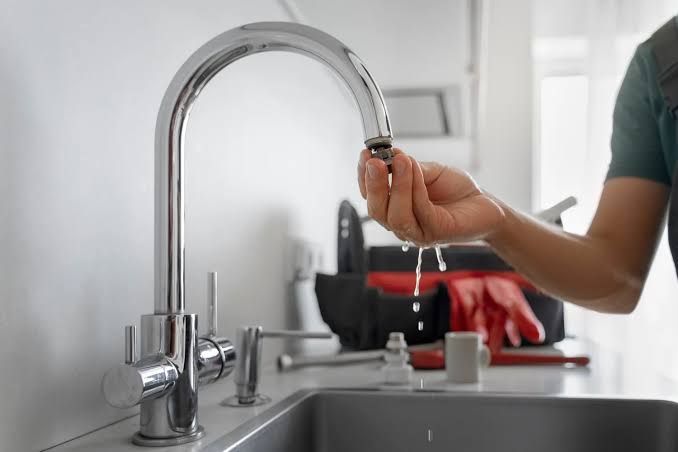
One of the easiest ways to notice a lingering problem is to check the water flow at the taps you use most often. Run the kitchen faucet, bathroom taps, and other relevant fixtures briefly. Compare their performance with what you remember before the breakdown, keeping in mind that normal flow can vary between fixtures.
If you still experience reduced water pressure, don’t immediately assume the repair has failed. A clogged filter, partially closed valve, kinked hose, or restriction elsewhere in the plumbing could be responsible. In some cases, a newly installed filter may also need to be checked for correct seating or compatibility.
Pay attention to whether the change affects just one faucet or the entire house. A problem limited to a single fixture may point toward a local plumbing issue, while a widespread change could involve the treatment system or the main supply. These observations won’t provide a definitive diagnosis, but they can help a technician investigate the right areas.
Avoid opening pressurized filter housings or adjusting unfamiliar valves to experiment. If the pressure remains noticeably different after the recommended startup procedure, contact the service provider and explain what you’re seeing.
Pay Attention to Taste, Smell, and Appearance
Water that looks clear isn’t necessarily free from every contaminant, but visible changes can still provide useful clues. After a repair, notice whether the water has its usual appearance and whether the original concern seems to have disappeared. If the technician replaced a component intended to address a particular taste or odor, ask how long it should take to notice the expected result.
Persistent unusual tastes or odors deserve attention, especially if they appeared suddenly or remain after the system has been flushed according to its instructions. A chlorine-like taste, earthy smell, or metallic flavor can have several possible causes. The source might be the incoming supply, plumbing materials, a filter that needs further flushing, or another issue that the repair did not address.
Don’t rely on taste or smell alone to decide whether water is safe to drink. Some contaminants cannot be detected by the senses. If you suspect contamination or the water’s appearance changes unexpectedly, stop using it for drinking until you’ve obtained appropriate guidance from your water supplier or local health authority. Testing may be needed to identify the cause.
Look for Leaks and Warning Signs
Even a successful repair deserves a quick visual inspection. Check the accessible connections around the treatment unit, the floor beneath it, and nearby cabinetry for dampness or fresh water marks. Look for drips around filter housings, valves, drain lines, and hoses. If the repair involved replacing a component, make sure the surrounding area remains dry after the system has been running.
Listen, too. A little operating noise may be normal, but a new persistent vibration, repeated clicking, or a pump that runs far longer than expected may warrant another look. Electronic systems may display warning lights or error messages if a sensor detects an issue.
If you find an active leak, follow the manufacturer’s safety guidance and shut off the relevant supply if you can do so safely. Keep water away from electrical equipment, and contact a qualified professional rather than trying to dismantle components under pressure.
Arrange a Post-Repair Review When Needed
Not every repair requires another full service visit, but recurring symptoms shouldn’t be ignored. A post-repair review can help establish whether the original fault has been resolved and whether any related issue remains. This may be as simple as a follow-up call or a brief inspection, depending on the system and the nature of the repair.
Keep the service invoice and any notes about the work. If the same problem returns, record when it happens, which fixtures are affected, and whether the system displays a warning. Clear information makes it easier for the technician to determine whether the issue is related to the original repair or has another cause.
Ask about any warranty that applies to the repair or replacement part. Understand what it covers, how long it lasts, and whether you need to report a recurring problem within a particular period. Having these details in writing can save time if further work becomes necessary.
Make Maintenance Part of Everyday Home Care
Once the system is working properly, regular maintenance can help keep it that way. Replace filters according to the manufacturer’s schedule, maintain softeners as directed, and arrange periodic servicing when required. Keep a simple record of filter changes and repair dates so you don’t have to rely on memory.
It’s also helpful to learn the normal behavior of your equipment. Notice its usual operating sounds, typical flow rate, and any indicators on the control panel. When you know what normal looks like, a meaningful change is easier to recognize.
Water treatment equipment doesn’t need constant attention, but it shouldn’t be forgotten completely either. A few minutes spent checking for leaks or reviewing a maintenance reminder can prevent a small concern from turning into a bigger inconvenience.
Finish the Repair With Confidence
A repair isn’t truly reassuring until the system has been checked under normal operating conditions. Give the equipment time to restart properly, look for leaks, observe water flow, and follow up if the original problem persists. When water quality is in doubt, use appropriate testing and reliable guidance rather than guessing.
The goal is simple: water treatment equipment that works as intended and fits smoothly into everyday life. By taking a little time after a repair, you can catch lingering issues early, understand how to care for the system, and feel more confident about the water flowing through your home.