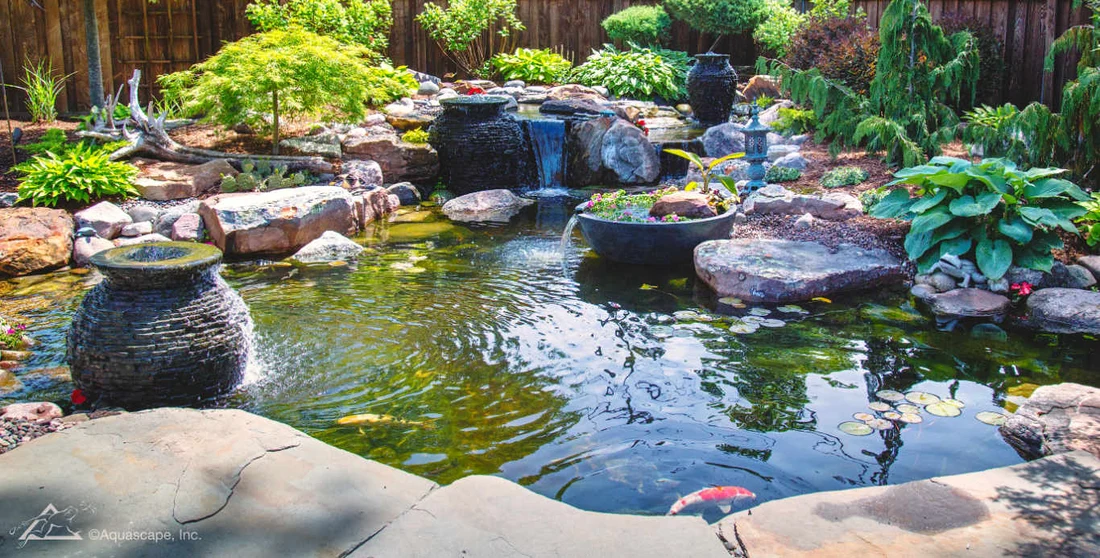
A pond can be one of the most peaceful features of a property. Whether it’s a decorative garden pond, a larger outdoor water feature, or a pond used for practical purposes, clean water and reliable equipment make all the difference. But maintaining good water quality isn’t always as simple as it looks. Changes in weather, accumulated debris, poor circulation, and aging equipment can slowly affect the water, often before anyone notices a serious problem.
The good news is that a properly designed treatment system, combined with regular attention, can make pond maintenance much more manageable. It doesn’t have to become a constant chore if the right approach is taken from the beginning.
Why a Proper Pond Water System Matters
Every pond has its own requirements. A small ornamental pond with limited water movement has different needs from a larger pond exposed to sunlight, falling leaves, and frequent organic buildup. Choosing equipment without understanding these conditions can lead to unnecessary expenses or disappointing results.
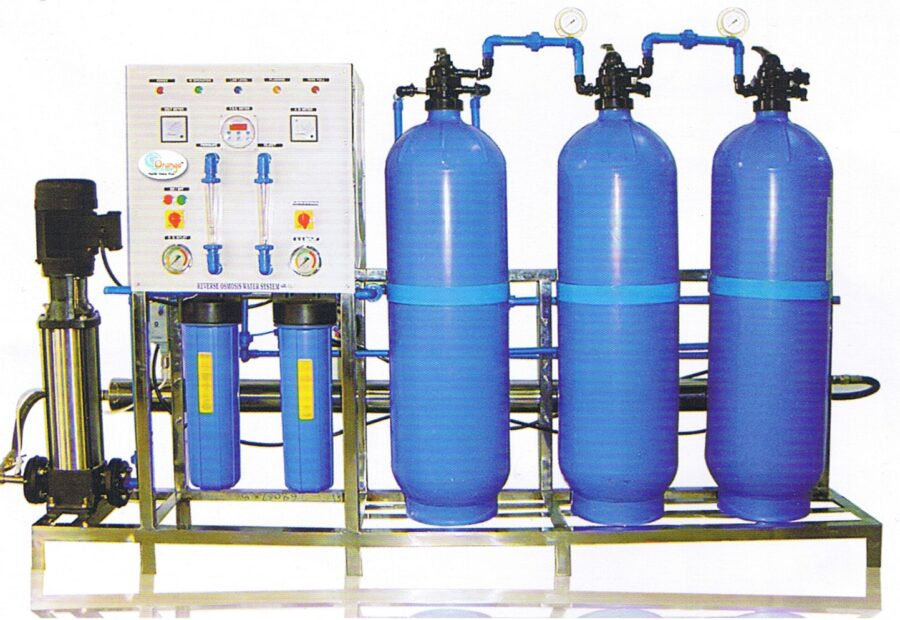
Filtration, circulation, and water treatment all work together. Filters help remove suspended particles and organic debris, while circulation keeps water moving through the system. Depending on the water source and its quality, additional treatment may be needed to address specific concerns.
A good system isn’t necessarily the most expensive one available. It’s the system that fits the pond, performs consistently, and can be maintained without making everyday care complicated.
Installation and Upgrades Should Start With the Water
When considering pond water treatment installation and upgrades, it’s worth looking beyond the equipment itself. The first step should be understanding the pond’s size, water source, existing filtration, circulation patterns, and the problems that need to be addressed.
For example, a pond that repeatedly develops cloudy water may need better mechanical filtration or improved circulation. A system struggling with heavy debris could benefit from more suitable filter media or a redesigned intake arrangement. Simply adding another piece of equipment without understanding the underlying issue may not solve much.
Upgrades can also make an older system easier to manage. Newer pumps, improved filtration components, and better-designed plumbing may help improve efficiency and reduce maintenance headaches. Sometimes, a few well-chosen improvements are more useful than replacing the entire system.
The Importance of Reliable Support
Water treatment equipment isn’t something most pond owners want to troubleshoot every weekend. Pumps may lose efficiency, connections can loosen, and filters can become overloaded. Even a system that worked perfectly when first installed may need adjustments as the pond changes over time.
Reliable pond water system support can be helpful when questions arise about equipment performance, replacement parts, maintenance schedules, or system operation. Having access to knowledgeable assistance means pond owners don’t have to rely on guesswork when something seems off.
Support is particularly valuable after installation. Understanding how to clean the filter, monitor water flow, recognize early warning signs, and operate treatment equipment properly can help avoid unnecessary breakdowns. A little guidance at the right time often saves plenty of frustration later.
Preventative Maintenance Is Better Than Emergency Repairs
Most pond problems don’t appear overnight. Water flow may gradually decrease, filter media may become clogged, or debris may begin collecting in areas where circulation is weak. These changes are easy to overlook until water quality starts deteriorating.
A regular preventative pond water treatment maintenance routine helps catch these issues earlier. Basic inspections should include checking pump operation, looking for leaks, reviewing filter condition, removing accumulated debris, and observing water clarity and circulation.
Maintenance frequency depends on the pond’s environment. During warmer months, algae and organic activity may increase. In autumn, falling leaves can quickly clog filters. After storms, dirt and debris may enter the water in larger quantities. Adjusting maintenance according to the season makes practical sense.
It’s also important not to clean every component too aggressively. Some biological filter media supports beneficial bacteria that contribute to the pond’s natural balance. Cleaning methods should follow equipment instructions so that useful biological activity isn’t unnecessarily disrupted.
Making the System Easier to Manage
A maintenance schedule doesn’t need to be complicated. Keeping a simple record of filter cleaning, equipment inspections, water testing, and replacement dates can help identify recurring problems. If a filter consistently becomes clogged earlier than expected, that information may point toward a circulation issue or excessive debris entering the pond.
Water testing can also provide a clearer picture of what’s happening beneath the surface. Depending on the pond’s purpose, testing may include pH, ammonia, nitrite, nitrate, or other relevant parameters. Results help guide treatment decisions instead of relying entirely on appearance.
A Healthier Pond Starts With Consistency
A dependable pond water system is built through thoughtful installation, suitable equipment, and regular maintenance. While occasional upgrades may improve performance, consistent care is what keeps the system working as intended over the long term.
Pond owners don’t need to wait until water becomes cloudy or equipment stops functioning to take action. Checking the system regularly, seeking professional advice when necessary, and addressing small issues early can make a noticeable difference.
In the end, a pond should be something you enjoy, not another source of stress. With the right treatment setup and a sensible maintenance routine, keeping the water clean and the equipment reliable becomes a much easier part of everyday life.