A shop owner I know — runs a mid-sized textile showroom — once told me he lost almost a full day of sales because a single overloaded circuit took out half his display lighting during peak hours. Not a dramatic story, no fire, no drama, just a quiet, expensive afternoon of customers walking in and walking right back out because the place looked half-closed. That’s the thing about commercial electrical work — when it fails, it doesn’t just inconvenience you, it costs you actual money, sometimes a lot of it.
Residential wiring gets most of the attention in conversations like this, but commercial setups are a completely different beast, and honestly deserve more thought than they usually get.
Why Commercial Electrical Work Isn’t Just “Bigger” Residential Work
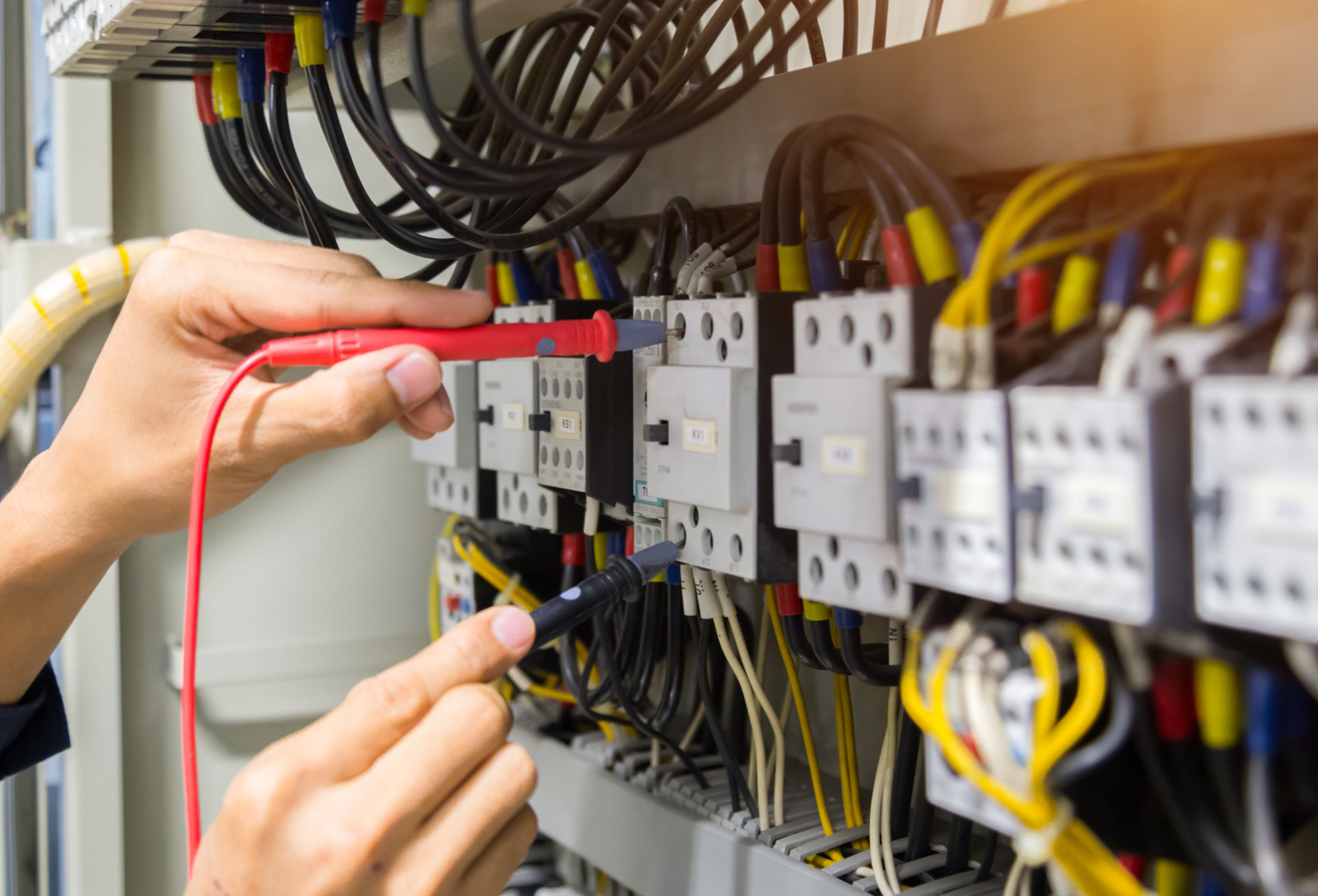
People assume it’s the same job, just scaled up. It’s really not. A business — whether it’s a restaurant kitchen, an office floor, or a small manufacturing unit — has load demands, safety codes, and equipment requirements that a typical home electrician might not be fully equipped to handle. You need someone who understands three-phase power, commercial-grade panels, and how to plan wiring around equipment that draws serious current: walk-in freezers, industrial ovens, server racks, heavy machinery, you name it.
This is where working with genuinely reliable commercial electrical solutions for businesses starts to matter a lot more than people expect going in. It’s not about finding the cheapest quote — it’s about finding someone who’s actually done this kind of work before and won’t be learning on your dime while your business is mid-operation.
The Cost of Getting It Wrong
Here’s something that doesn’t get said enough — bad commercial electrical work doesn’t usually announce itself right away. It sits quietly for months, maybe longer, and then shows up as a tripped system during your busiest week, a fire hazard nobody caught in time, or an insurance inspector shaking their head at your panel setup. I’ve heard of businesses getting hit with compliance issues purely because whoever wired the place years ago didn’t bother pulling proper permits or following code.
And look, downtime in a commercial setting isn’t like a home outage where you just light a candle and wait it out. Every hour without power is an hour of lost revenue, unhappy customers, or in worse cases, spoiled inventory. A walk-in cooler going down overnight because of an electrical fault can wipe out thousands in stock before anyone even notices.
What Good Commercial Electrical Work Actually Looks Like
So what should you be looking for, practically speaking? Start with experience specific to your type of business — a retail electrician and a restaurant electrician aren’t solving the same problems. Ask about their licensing, ask to see examples of similar commercial projects, and don’t be shy about asking how they handle emergency callouts, because at some point, you will need one.
It’s also worth asking directly about their safety track record. Commercial spaces have people in them constantly — employees, customers, delivery staff — and any electrical contractor worth hiring should be operating with the highest standards of safety as a baseline, not an upsell. This isn’t just a compliance checkbox; it’s genuinely about not putting people at risk in a space you’re responsible for.
Building an Actual Relationship With Your Electrician
One thing I’d genuinely recommend — don’t treat your commercial electrician as a one-time call when something breaks. The businesses that handle this well tend to build an ongoing relationship with a contractor who understands their space, their equipment, and their growth plans. That way, when you’re expanding the kitchen or adding a new server room, they already know your building’s electrical history instead of starting from zero.
This is really what separates the average electrical contractor from top-tier commercial electrical services — the ones who show up once, do decent work, and disappear versus the ones who actually become part of how your business runs long-term. The second kind is worth paying a bit more for, honestly, because the cost of switching electricians mid-crisis is almost always higher than just building the relationship early.
A Last Thought
None of this is glamorous business advice — it won’t show up in a pitch deck or an annual report. But ask any business owner who’s dealt with a real electrical failure during a busy season, and they’ll tell you it’s one of those unsexy investments that actually protects everything else you’ve built. Get the wiring right, get the safety right, and find people who’ll actually pick up the phone when something goes wrong. Everything else about running the place gets a lot easier after that.