
Sydney homes are using more electricity than ever before. From ducted air conditioning and induction cooking to solar systems, home offices, battery storage, and electric vehicle charging, modern households place demands on electrical systems that many older properties were not originally designed to support. Before recommending a major upgrade, experienced electricians Sydney homeowners rely on assess whether the existing infrastructure can safely handle current requirements and future expansion. A 3 phase switchboard upgrade is not simply about increasing power capacity; it involves evaluating the entire electrical system to determine whether the change provides genuine value for the property.
Many of the old houses in Sydney use electrical setups that were designed under the assumption of lower power usage. Although these might continue to work well, they become less effective as newer devices are installed. Having an evaluation done by experts would help understand whether there is any need for changes. An electrical service in Sydney always assesses the supply capacity, switchboard conditions, current load, safety standards, and electrical needs before making a decision to upgrade to three-phase.
Assessing Current Electrical Capacity and Household Demand
The first thing assessed is whether the on-site electrical supply will meet the house’s demands. A switchboard should be upgraded according to the specific needs of the property, which means that a general approach cannot be used here. Over the years, power consumption at most properties has increased, and it may now be necessary to consider new electrical needs. For example, a house that had basic wiring before will now need to support such things as air conditioners, swimming pools, workshops, or solar power generation.
During an assessment, electricians review the property’s incoming supply arrangement, existing circuits, and overall electrical load distribution. This helps determine whether the current system is operating within safe limits or whether additional capacity may be beneficial. A key consideration is maximum demand.
This refers to the expected level of electrical usage when multiple appliances and systems operate simultaneously. Understanding maximum demand allows electricians to evaluate whether the current supply can handle realistic household usage without unnecessary strain. A three-phase system works by distributing electrical loads across multiple phases rather than placing all demand on a single supply line. This can provide greater capacity and improved flexibility for properties with higher electrical requirements.
However, not every property requires three-phase power. A professional recommendation considers whether the upgrade will solve a genuine limitation or whether other improvements may provide a more practical solution. For example, a homeowner planning a renovation, installing an EV charger, or expanding solar capacity may benefit from assessing electrical requirements before beginning the project. Early planning can prevent situations where new installations are delayed because the existing electrical infrastructure cannot support them.
The electrical needs of Sydney homes will depend on how old they are, how they have been designed, and what past modifications they have undergone. While a refurbished inner-city terrace may require different treatment when it comes to electrical work from a modern suburban home, individual evaluation is key instead of following any general advice. Homeowners can help electricians do their job better by preparing in advance. This includes sharing any existing electrical issues, discussing future renovation plans, and mentioning any new appliances they plan to install. What is aimed for is not necessarily capacity increase but the creation of an efficient electrical system according to the homeowner’s lifestyle.
Reviewing Switchboard Condition, Safety Features, and Compliance Requirements
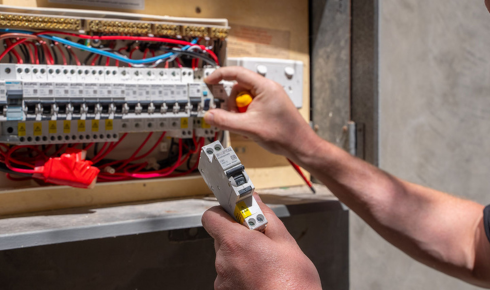
The state of the current switchboard is yet another aspect that should be taken into consideration while recommending upgrades. The role of the switchboard lies in serving as the main source where the electricity is distributed in a home; hence, its security and performance significantly impact the overall electrical system within a building. Old homes in Sydney could still have old switchboards with components that, at the time of installation, met all the requirements, but now do not correspond to new standards.
Key assessment areas include:
- Age and condition of the existing switchboard enclosure
- Availability and operation of safety switches
- Condition of circuit protection devices
- Signs of overheating, corrosion, or physical damage
- Available space for additional circuits
- Quality of circuit identification and organisation
A switchboard with limited space can create challenges when homeowners want to add new electrical systems. Modern installations often require dedicated circuits and appropriate protection, which may not be possible within an outdated or overcrowded setup. Safety switches are another important consideration. These devices provide additional protection by detecting electrical faults and disconnecting power when necessary. An assessment helps determine whether existing protection measures are suitable for the property’s current requirements.
Compliance requirements are also important in determining the upgrade. As time passes, electrical regulations become more advanced because of technological advancements and the development of better practices. The electrical system that was put in place many years ago might already require upgrading to meet modern standards. However, the recommendation should be based on the actual condition of the electrical system, not just how old it is.
Electricians also consider warning signs that may indicate electrical issues, including frequent circuit trips, flickering lights, unusual sounds from the switchboard, burning smells, or signs of heat damage. These problems may indicate that the system requires investigation before additional electrical loads are introduced.
For homeowners, understanding switchboard condition provides valuable insight into the reliability of their electrical infrastructure. Regular inspections are particularly useful before major renovations, property purchases, or the installation of high-demand equipment. A detailed assessment ensures that any recommended upgrade addresses real safety and performance concerns rather than replacing equipment without a clear purpose.
Planning for Future Energy Needs Before Upgrading
An upgrade of the switchboard must take into consideration not just the current electrical needs, but what the premises might need in the future. Undoubtedly, this foresight has become increasingly important as families continue to find new uses for electricity in their lives.
Sydney homeowners are increasingly installing systems such as EV chargers, solar panels, home batteries, smart appliances, and advanced climate-control solutions. Each addition can increase electrical demand and may influence whether existing infrastructure remains suitable.
Before recommending a three-phase upgrade, electricians consider the homeowner’s plans. Important factors may include:
- Planned renovations or extensions
- Future EV charging requirements
- Additional solar generation capacity
- Battery storage installation
- Increased heating and cooling demand
- Home workshops or specialised equipment
For example, a homeowner installing an EV charger may discover that the existing electrical setup needs to be assessed before installation. Similarly, properties adding multiple high-powered appliances may benefit from reviewing supply capacity before completing renovations. A three-phase upgrade can provide greater flexibility for properties expecting increased demand, but the decision should always be based on technical assessment and practical requirements.
Cost is also an important consideration. Upgrading electrical infrastructure involves more than replacing a switchboard. Depending on the property, additional work may involve supply changes, network requirements, equipment upgrades, and installation adjustments. A responsible recommendation balances the benefits of increased capacity with the property’s actual needs. The goal is to avoid having a system that is too small while also preventing unnecessary spending on upgrades.
Homeowners getting ready to have an electrical evaluation can make the evaluation more effective by assessing their own worries and plans ahead. The following are some important questions to ponder when it comes to electrical inspection:
- Do you often overload your circuits?
- Are you planning to install new electrical systems?
- Is your home under renovation?
- Are there safety issues with the electricity in your home?
- Would new home appliances add to your electricity load?
Providing this information helps electricians evaluate whether a three-phase upgrade is the appropriate solution. The most effective electrical improvements are those designed around how a property will operate over time. Planning allows homeowners to create systems that are safer, more reliable, and better prepared for future technology.
In Brief
The installation of a 3 phase switchboard should not be viewed as merely increasing electrical capacity, but rather as a process that is informed by various factors, including the state of the existing electrical system, the future needs of the system, and any other issues that may arise in the course of evaluating the system.
For Sydney homeowners, this assessment process is particularly important as energy usage continues to change. Older properties may need improvements to support modern appliances, EV charging, renewable energy systems, and expanding household demands.
The best electrical decisions come from understanding the specific needs of the property instead of using the same solution for every home. By collaborating with experts, property owners can ensure the electrical system installed meets current and future needs.