
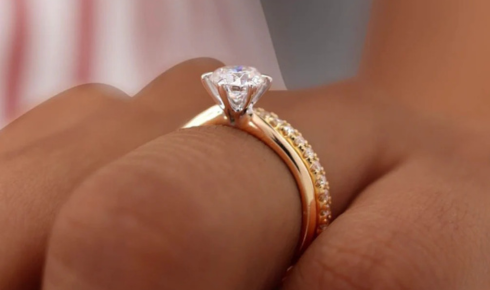
In 2025, a noticeable shift emerged within the Lily Arkwright online store as 18k yellow gold began to surpass platinum as the preferred metal for engagement rings and fine jewelry. This change was not driven by a single trend but by a blend of aesthetic preference, lifestyle considerations, ethical awareness, and evolving design philosophies. Customers browsing the collections increasingly gravitated toward yellow gold, signaling a broader change in how modern buyers define luxury and longevity.
One of the most influential factors behind this transition was the renewed appreciation for warmth and character in jewelry. Yellow gold offers a rich tone that complements a wide range of skin tones and gemstone colors. In contrast, platinum delivers a cooler and more understated appearance. As consumers leaned toward expressive and distinctive styles in 2025, yellow gold naturally aligned with that desire. Its ability to feel both classic and contemporary made it especially appealing to those seeking rings that feel timeless without appearing understated.
Another important element was practicality. Platinum is known for its durability, but it is also heavier and often requires more maintenance over time. While it does not wear away, it does develop a patina that not all buyers appreciate. Yellow gold, particularly in 18k form, balances durability with ease of care. It is strong enough for everyday wear while remaining simpler to polish and refresh. For many buyers, this balance between resilience and convenience played a meaningful role in their decision-making.
Design flexibility also contributed to the rise of 18k yellow gold. Designers working with yellow gold can create intricate settings that highlight gemstones more vividly. Lab grown diamonds, moissanite, and colored gemstones often appear brighter and more dynamic when set in yellow gold. In 2025, as bespoke and semi bespoke jewelry continued to gain popularity, yellow gold provided a versatile foundation for personalization. Its adaptability across solitaire, halo, and vintage inspired designs made it a favored choice among customers exploring custom options.
Ethical and sustainability considerations further reinforced this shift. Buyers became increasingly informed about sourcing, recycling, and long-term environmental impact. Yellow gold, especially when recycled, aligned well with these values. While platinum is also recyclable, its extraction process can be more resource intensive. As ethical awareness continued to shape purchasing habits, yellow gold emerged as a metal that resonated with responsible luxury.
Cost transparency was another factor that subtly influenced preferences. Platinum generally commands a higher price due to its density and rarity. In contrast, 18k yellow gold offers a premium feel without the same level of cost. This allowed buyers to allocate more of their budget toward gemstone quality, setting detail, or bespoke design elements. In a year where consumers were making more deliberate and informed purchases, this flexibility mattered.
Cultural influences also played a role. Yellow gold has long held symbolic significance across many traditions, often associated with celebration, commitment, and heritage. In 2025, these associations felt particularly relevant as buyers sought jewelry that could carry personal meaning and be passed down through generations. Platinum, while elegant, does not carry the same depth of cultural resonance for many customers.
At Lily Arkwright, this evolution reflected a broader understanding of customer values rather than a departure from quality. Platinum remained available and appreciated, but 18k yellow gold captured the spirit of the moment. It offered warmth, versatility, ethical alignment, and practical appeal, all while supporting refined craftsmanship.
Ultimately, the rise of 18k yellow gold in 2025 was not about replacing platinum entirely. It was about meeting customers where their preferences had evolved. By responding to these changes, Lily Arkwright demonstrated how fine jewelry can adapt to modern lifestyles while honoring tradition. The result was a collection that felt both relevant and enduring, with yellow gold standing confidently at the forefront.