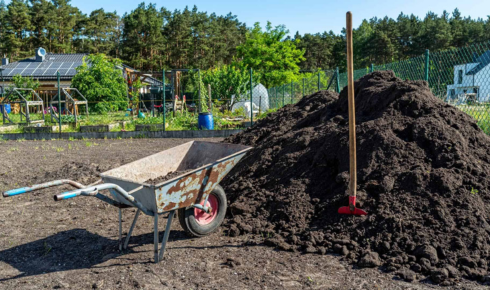
A yard or jobsite can give early hints that standard soil isn’t strong enough to support what’s being built. Those hints often show up long before construction begins, and recognizing them helps prevent costly fixes later. Many property owners start with dirt delivery near me or soil for sale, but structural fill may be the real solution when stability—not nutrients—is the priority.
Soil That Keeps Shifting or Settling Under Weight
Shifting ground is usually the first warning sign that the base beneath the surface lacks density. Topsoil has organic matter that breaks down over time, making it unsuitable for supporting heavy objects. Structural fill is engineered to stay put, making it a better choice for areas that repeatedly sink or compress.
Settling becomes more noticeable once patios, walkways, or small structures start dipping. Rock and dirt delivery specialists often trace this problem back to soft, unstable layers beneath the topsoil. Replacing that layer with structural fill creates a compacted base that holds weight consistently.
Low Spots That Won’t Hold Firm After Rain
Some low areas turn spongey after a rainfall and never seem to firm up again. While topsoil absorbs water by design, too much absorption limits stability. Structural fill drains more efficiently, helping those areas dry faster and remain firm.
Persistent softness affects how well landscaping, pathways, or yard structures perform over time. Rock and dirt delivery near me services often recommend structural fill for these zones because it reduces future erosion and helps maintain grade.
Sloped Areas Needing Base Support Before Landscaping
Sloped ground requires strength from the base up, especially if retaining walls, terraces, or large plantings are planned. Topsoil shifts too easily on inclines, causing new landscaping to slide or settle unevenly. Structural fill provides a compacted anchor layer that holds slopes in place.
A solid sub-base ensures water doesn’t carve channels through the soil. Dirt for sale might work for the finishing layer, but the foundation beneath must resist gravitational movement. Structural fill gives that support while still allowing the top layer to function naturally.
Uneven Ground That Stays Soft Underfoot
Soft ground beneath the feet often indicates underlying soil breakdown. Organic materials inside topsoil decay over time, causing voids and instability. Structural fill replaces these weak zones with materials that stay dense and dependable.
This kind of softness can lead to uneven lawns, sunken pavers, or dipping mulch beds. Rock and dirt delivery providers commonly use compactable fill to level out these areas before adding surface soil or landscaping materials.
Heavy Equipment Tracks Sinking into the Yard
If equipment leaves deep ruts even after light passes, it signals that the soil can’t support load-bearing pressure. Topsoil compresses easily, which is helpful for planting but not for construction. Structural fill withstands repeated weight without deforming.
Contractors often rely on fill that can handle large machinery during preparation stages. Using structural material ensures the ground stays level while equipment moves across it, preventing future grading issues.
Areas Where Erosion Keeps Washing Soil Away
Erosion-prone sections show where topsoil loses its grip. Water runoff removes fine particles, leaving grooves and slopes that worsen over time. Structural fill withstands runoff much better because it compacts tightly and resists movement.
Filling eroded spots with stronger materials keeps the grade consistent and reduces maintenance. Dirt delivery near me options may include blends designed specifically to combat erosion when compacted correctly.
New Pads or Foundations Requiring Solid Base Fill
Concrete pads, sheds, garages, and outdoor structures all rely on a firm foundation. Structural fill provides a uniform, compactable layer that keeps slabs from cracking or shifting later. Topsoil is not suitable for this purpose because it compresses inconsistently under weight.
A properly compacted fill layer distributes load evenly. Rock and dirt delivery specialists supply material engineered for stability, ensuring concrete and framed structures remain level for years.
Loose Soil Failing to Compact with Standard Tools
If even basic compaction tools can’t firm up the soil, it’s a clear sign the material lacks the density needed for construction. Topsoil stays too loose due to air pockets and organic components. Structural fill compacts tightly because it contains fewer voids.
Loose soil creates unpredictable settling patterns. Using structural fill eliminates the guesswork, giving contractors a reliable base that stays consistent under varying conditions.
Spots Where Water Pools and Soil Breaks Down Quickly
Pooling water indicates poor soil structure and inadequate drainage. Waterlogged topsoil weakens quickly, creating muddy, unstable areas. Structural fill improves drainage and holds its form even after heavy rainfall.
Breaking down soil disrupts landscaping plans, walkway placement, and future grading. Rock and dirt delivery near me providers often suggest fill for these problem zones to help reshape the terrain and reduce long-term maintenance.
Recognizing these signs early helps prevent structural issues and wasted materials during construction or landscaping. North Alabama Rock & Dirt supplies compactable fill, crushed stone, and aggregate materials that help stabilize project sites and support reliable construction and landscaping outcomes.