
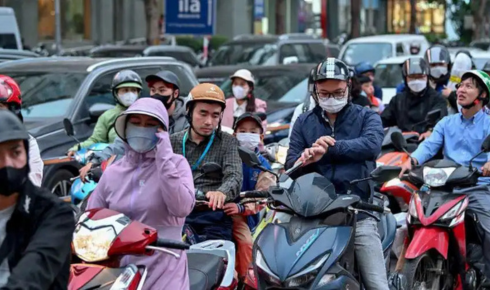
In recent years, Vietnam has undergone a significant shift in how it approaches road safety and urban traffic design. As population density increases in cities like Hanoi, Ho Chi Minh, and Da Nang, policymakers have turned their attention toward smarter, more sustainable ways to manage growing volumes of pedestrians, vehicles, and public transport.
While much of the attention is placed on traffic signals, congestion pricing, or mass transit systems, the role of road markings is often overlooked—despite being a foundational element of urban mobility and accident prevention.
Road Markings as Urban Infrastructure
Clear road markings guide everything from vehicle lanes and pedestrian zones to bicycle paths and public transport routes. Their purpose goes beyond regulation—they serve as a visual language that helps drivers and pedestrians navigate complex environments with minimal confusion.
In high-traffic areas or zones with limited lighting, durable and visible road markings can drastically reduce the likelihood of collisions, especially during night or rainy conditions. This has become increasingly important in Vietnam, where urban expansion often outpaces infrastructure upgrades.
The Rise of Thermoplastic Technology
Traditional road paints, though inexpensive, wear out quickly—particularly under Southeast Asia’s intense weather conditions. Constant exposure to UV rays, heavy rainfall, and traffic friction can fade markings within months. This leads to frequent reapplication, higher maintenance costs, and in some cases, temporary lapses in safety.
To address this, many municipalities have begun incorporating thermoplastic materials into their marking systems. Thermoplastic paint offers longer life spans, high reflectivity, and better adhesion to various road surfaces. These advantages make it well-suited for Vietnam’s diverse geography, from humid lowlands to bustling urban cores.
The growing interest in thermoplastic paint Vietnam projects reflects a broader recognition that safety and efficiency depend on foundational design choices, not just large-scale investments.
Beyond Paint: A Shift in Urban Planning Philosophy
Vietnam’s national traffic safety plans have increasingly emphasized design principles that support safer road environments, particularly for non-motorized users like cyclists and pedestrians. Thermoplastic materials are commonly used to create tactile surfaces for the visually impaired or to highlight school zones, pedestrian crossings, and designated bus lanes.
This shift marks a transition from reactive to proactive planning—creating infrastructure that reduces risk before accidents happen. It’s a subtle but powerful change in how cities function.
Conclusion
Vietnam’s commitment to improving traffic safety and urban mobility requires a holistic approach, blending policy with practical, on-the-ground solutions. While often unnoticed by the public, road markings made from thermoplastic materials are helping set new standards for visibility, durability, and safety.
As cities grow smarter, the materials used to build them must evolve accordingly—and in that evolution, innovations in road paint are playing a small but significant role.