Blog

  • Enhance Your Space with Professional Installation

    Enhance Your Space with Professional Installation

    When it comes to enhancing the aesthetic appeal of your home or office, mirrors are more than just reflective surfaces. They add depth, create the illusion of space, and reflect light to brighten any room. However, hanging a mirror isn’t as simple as it seems. Improper installation can lead to damage or injury. That’s where mirror hanging services Melbourne come in—offering professional solutions to ensure your mirrors are safely and perfectly placed.

    Why Choose Professional Mirror Hanging Services?

    While DIY mirror hanging might seem like a cost-saving idea, there are several reasons to opt for a professional service:

    1. Safety First: Large and heavy mirrors, especially those with ornate frames or custom shapes, can be challenging and dangerous to mount. Professionals use the right tools and secure mounting techniques to minimize the risk of accidents.
    2. Precision and Accuracy: Whether you’re installing a mirror in a bathroom, hallway, bedroom, or commercial space, alignment is crucial. A professional ensures that your mirror is perfectly level and centered, enhancing the room’s symmetry and overall design.
    3. Wall Assessment: Different walls require different installation techniques. Plaster, brick, concrete, and drywall all need specific tools and anchor systems. Mirror hanging specialists assess the wall type and choose the best method accordingly.
    4. Time-Saving: Hiring professionals saves you time and hassle. Instead of struggling with measurements and brackets, you can relax while experts handle the task efficiently.

    Services Offered by Mirror Hanging Experts

    Mirror hanging companies in Melbourne typically offer a wide range of services tailored to both residential and commercial needs. These include:

    • Hanging framed and frameless mirrors
    • Installing mirrored panels in gyms and studios
    • Hanging decorative mirrors in living areas or hallways
    • Wall-mounted vanity mirror installation in bathrooms
    • Custom mirror mounting for retail spaces and showrooms

    Some services even offer consultations to help you choose the best mirror size and placement to suit your interior design.

    Key Benefits of Hiring Local Melbourne Experts

    Melbourne is known for its vibrant architecture and stylish interiors. By choosing local mirror hanging experts, you benefit from:

    • Knowledge of local building structures: Melbourne homes and offices often feature unique wall compositions, especially in heritage or modern buildings. Local professionals understand these nuances.
    • Quick response time: With a local service, you can expect prompt appointments and faster job completion.
    • Support for local businesses: Choosing a local provider supports Melbourne’s economy and often results in more personalized customer service.

    How to Choose the Right Mirror Hanging Service in Melbourne

    Here are a few tips to help you select the best service provider:

    • Check Reviews and Testimonials: Look for companies with a proven track record of satisfied customers.
    • Verify Insurance and Licenses: Ensure the company is fully insured and employs qualified professionals.
    • Ask About Tools and Techniques: Reputable services use professional-grade equipment and follow industry best practices.
    • Request a Quote: Get a clear estimate to understand the cost involved and avoid hidden charges.

    Affordable and Reliable Solutions

    The good news is that mirror hanging services in Melbourne are both affordable and accessible. Whether you’re renovating a home, redesigning an office, or staging a property for sale, professional mirror installation adds a polished touch. Prices usually depend on the size and weight of the mirror, the complexity of the job, and the type of wall surface.

    Many companies also offer package deals or discounts for multiple mirror installations, making it a cost-effective choice for larger projects.

    Final Thoughts

    Investing in professional mirror hanging is a smart choice that pays off in safety, style, and long-term durability. Whether it’s a simple bathroom mirror or a full wall feature in your living room, expert installation ensures your mirror looks great and stays secure.

  • How to Choose a Flexible Work Model That Works for Your Business

    Promotional opportunities and attracting new talent now require a shift to a more flexible model of work. According to the Office for National Statistics, 78% of UK employees reported enhanced productivity in a hybrid work model. Flexibility is undoubtedly here to stay. Let’s discuss how to select a model tailored for your business while ensuring your team’s happiness and your objectives are met.

    Assess Characteristics Specific To Your Business
    Begin by considering what aspects your company requires. Do you run a consultancy firm with lots of interdependent roles or a tech startup requiring constant collaboration? Full remote did not work for the design firm I managed, as creative brainstorming was extremely difficult over video calls. A hybrid model was the sweet spot for us.

    Create a list of tasks and define the roles of each team member. Knowledge workers excel with remote work arrangements; however, positions like manufacturing will require an on-site presence. Also, productivity metrics can be tracked with tools like the Controlio app using virtual assistant software. Using such tools gives clarity on whether your remote/hybrid model supports your organizational goals.

    Examine Options for Remote Work
    Work is flexible, but not one size fits all. Every employee has the possibility of remote work, while other employees may benefit from a hybrid model. Other forms include compressed workweeks, which are four 10-hour days, along with core-time flexible hours in which core collaboration hours are defined. One of my previous employers offered “no meeting Wednesdays,” which improved productivity greatly.

    Also, a hybrid model where employees split their time between home and the office, or roles that require schedule flexibility, can benefit from flexible hours. As McKinsey shared, with 90% of UK companies planning to adopt hybrid models, there is room to experiment to see what structure fits the team best. Find what works best for your team’s culture and working habits.

    Focus on Effective Communication and Building Trust
    Flexible access to work greatly relies on effective communication. Clarify standards of contact, availability, response windows, and deliverables. When my team went hybrid, we switched to the Controlio app, as monitoring project progress in a hands-off way kept us aligned and built trust by focusing on results, not hours. We gradually moved towards trusting each other rather than micromanaging, which is the ultimate workplace victory.

    Hold regular check-ins, whether virtual or in-person, to foster connection among team members. Tools such as Slack or Teams facilitate communication, and well-defined core hours promote both connectivity and adherence to collaboration-rich windows. Trust regarding work tracking fosters a culture of valuing employees instead of viewing them as monitored.

    Invest in the Right Technology
    Flexible work relies heavily on technology. While Google Drive aids in accessing files, Asana helps keep tasks organized. I remember leading a remote project, and one of my teammates’ laptops crashed. Luckily, the files were stored on Dropbox, so we were able to retrieve everything easily.

    Emphasis on data safety becomes a priority, especially with remote work flexibility. Make use of VPNs and other encrypted tools to safeguard essential information. The Controlio app provides insight regarding data security within the company by offering information about app usage, helping you keep everything safe while ensuring employees remain engaged. Investing in dependable technology for virtual meetings is a no-brainer with the industry expanding at a 14.2% annual rate.

    Listen to Your Team
    Shape your model around your employees’ needs and preferences. To gauge a workforce’s preference, send out surveys. I have seen both ends of the spectrum, where one side longed for in-office teamwork while the other craved remote work. A strong example from my experience revolves around freelancing and dealing with a client with a strongly enforced timetable. My strongest productivity window was during those rigid blocks, leading me to demand flextime, which in turn skyrocketed my productivity.

    Give parents or caregivers options like job sharing and compressed workweeks. In a Gallup study, nearly 40% of Fortune 500 companies reported an increase in productivity due to the implementation of flexibility. Let employees participate in shaping the tools to improve engagement and retention.

    Final Note: Purpose with Flexibility
    A flexible work model is about balance—empowering your team while meeting business needs. With keen operational understanding, exploring options, communicating, making use of tools such as the Controlio app, and listening to employees, one can create a working model that succeeds. From my experience, I learned that thoughtfully executed flexibility fosters deep creativity, loyalty, and innovation. Don’t be afraid to dive in, experiment, and see how your workplace can flourish.

  • Why Upgrading Your Water Setup in Chandler AZ Is the Unsung Hero of Home Comfort

    Why Upgrading Your Water Setup in Chandler AZ Is the Unsung Hero of Home Comfort

    It started out with the dishes. They never looked clean. Water spots. A dull finish on glasses. I figured maybe the detergent had changed or the dishwasher needed a reset. But after scrubbing harder, switching brands, and wasting way too much time, I realized the issue wasn’t the soap—it was the water.

    If you live in Chandler, Arizona, you know what I’m talking about. The water here is notoriously hard, full of minerals that aren’t exactly friendly to plumbing or appliances. But it’s not just about spotty glasses—this stuff affects everything. Skin, laundry, pipes, coffee, even the lifespan of your water heater.

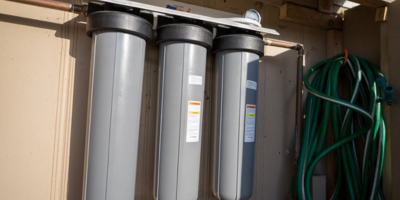
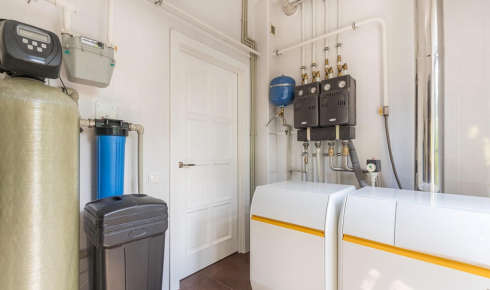
    That’s when I finally got serious about finding a Chandler AZ complete water system that could handle more than just one symptom—it needed to tackle the whole house. And what a difference that made.


    The Everyday Effects of Not-So-Great Water

    Most of us don’t think much about water unless there’s a leak or a bill. But bad water leaves clues. Your skin’s always dry. Your shampoo never really lathers. The washing machine leaves your towels scratchy, not soft. And don’t even get me started on the taste—like licking a copper pipe after it’s been sunbaked for hours.

    Over time, all that mineral buildup wreaks havoc—not just on your body, but on everything connected to water. Plumbing corrodes faster. Appliances work harder. Water pressure takes a hit. Your whole house is basically aging faster than it should.

    That’s where having the right water system really starts to pay off.


    The Role of Reverse Osmosis in Real Life

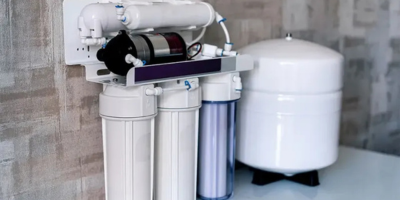
    Let’s zoom in on one key piece: the RO unit. Reverse osmosis is a game-changer for drinking water. It removes contaminants down to a microscopic level—lead, fluoride, chlorine, nitrates—you name it.

    But here’s what most people don’t think about: that filtration system needs love too. If you’ve noticed your water starting to taste off again months after installation, chances are it’s time for a RO membrane replacement. That membrane is the heart of the unit, and once it gets clogged or aged, the whole system loses its punch.

    I replaced mine after about two years and was honestly shocked by the difference. Water tasted crisper. My coffee finally had that café sparkle again. It’s like swapping out a dull knife for a sharp one—you don’t know what you’re missing until you fix it.


    The Tech Behind the Tap

    What’s wild is how much water tech has evolved. These aren’t the clunky, loud, high-maintenance systems from a decade ago. Today’s setups are sleek, efficient, and practically run themselves. They monitor flow, track usage, notify you when filters are due, and even adjust to water conditions seasonally. Some of them are smart home-compatible, too. Like, we have apps for our sprinklers and garage doors—why not for the water we drink?

    One system I looked at even had a leak detection feature that shuts the water off automatically if something goes wrong. That’s not just a cool extra—that’s insurance.


    Why One-Size Doesn’t Fit All

    Here’s where people get tripped up: they think they can grab a water softener from the big-box store and call it a day. But Chandler’s water isn’t generic, and your home probably isn’t either. Your system should match your lifestyle, usage, plumbing, even your square footage.

    Getting a professional to assess the whole picture makes all the difference. Maybe you don’t need a massive tank, but you do need better filtration. Maybe your RO is working overtime because your pre-filters aren’t cutting it. Or maybe you’re using great filters—but they’re just not designed for the kind of buildup you’re dealing with here in the desert.

    That’s where customization matters—and where a good installer earns their keep.


    The Ripple Effects of Cleaner Water

    Once your system’s in, the results speak for themselves. Hair feels softer. Skin stops flaking. Dishes dry clear. Appliances run quieter. Ice cubes look like little glass sculptures. And maybe best of all—you just drink more water. Because it finally tastes like something you want to drink.

    Even guests notice. My brother visited last month and asked, “What’s up with your water? It’s so good.” That’s not something you hear every day. But it is, honestly, kind of satisfying.


    Final Thoughts

    We spend so much time, money, and energy trying to make our homes feel better. New lighting. Fresh paint. Fancy thermostats. And those things are great. But water? Water touches everything. It’s daily. It’s essential. And when it’s right, your whole home just feels better.

    So if you’ve been dealing with hard water, bad-tasting tap, or just sick of replacing appliances that should’ve lasted longer—maybe it’s time to rethink what’s flowing through your pipes.

    Invest in your water, and the rest of your home will thank you for it. Every glass. Every load of laundry. Every shower. Better water, better living. Simple as that.

  • What’s Really in Your Tap? A Brighton Water Story

    What’s Really in Your Tap? A Brighton Water Story

    There’s something comforting about flipping on the faucet and watching water rush out—clear, cold, and seemingly pure. Most of us in Brighton, MI, don’t think twice. We drink it, cook with it, wash our hands in it, fill the dog’s bowl with it. It’s just there—always has been. But lately, a few quiet questions have started bubbling up: Why does the water taste a little off? Why does the shower leave my skin dry? What exactly is in my water, anyway?

    And that’s where the real conversation begins.


    Trust, But Test

    If you’ve never thought about testing your water before, don’t feel bad—you’re not alone. Most people assume if the city or well water looks clean, it is clean. But clarity isn’t always the best measure of quality.

    In Brighton, a number of factors can affect your water—seasonal runoff, aging infrastructure, nearby industrial activity, even old plumbing inside your own walls. That’s why more homeowners are taking the step of getting a Brighton MI water test—not out of fear, but out of a growing desire to understand what’s really in the water they use every day.

    It’s like checking your blood pressure—not because something’s wrong, but because you want to know you’re okay.


    The Case for Going Pro

    Sure, you can grab one of those DIY water test kits online. They’re affordable and fun in a science-experiment kind of way. But when you’re serious about accurate results—especially if your family includes kids, pets, or anyone with health sensitivities—it’s time to bring in the pros.

    A professional water test isn’t just about dipping a strip and guessing what color matches. It’s a full-spectrum lab analysis that can check for heavy metals, bacteria, nitrates, PFAS, chlorine levels, and more. And unlike at-home kits, it comes with explanations. Actual data. Recommendations.

    In short, you’re not left Googling “what does 0.15 ppm of manganese mean?” You get answers from someone who knows their stuff.


    Certified Testing = Confidence

    Here’s the thing about water: it touches everything in your home. Your skin. Your clothes. Your food. Your plants. So knowing what’s in it—and whether it’s safe—shouldn’t be a guessing game.

    That’s where certified water testing makes all the difference. Certified labs meet strict standards and operate under regulated procedures to ensure you’re getting accurate, unbiased information. These aren’t companies trying to sell you filters—they’re scientists doing what they do best: testing, reporting, and helping people make informed decisions.

    And honestly? The peace of mind that comes from having a clear report in hand is worth every penny.


    What the Results Might Reveal

    So, what happens once you get your test back? A lot, potentially.

    You might discover your water is actually fine—just a little hard. Or you could find elevated chlorine levels from municipal treatment. Maybe your well water has higher-than-average iron, causing those stubborn orange stains in your bathtub. Or there could be more serious findings, like bacteria or lead—especially in older homes with legacy pipes.

    Whatever the case, a test gives you clarity. And with that comes action. If your water’s perfectly healthy? Great. If it’s not? Now you know how to fix it—with filters, softeners, or even full home systems.


    It’s Not Overreacting. It’s Being Proactive.

    Some people worry that testing their water will open a can of worms. But here’s the truth: not knowing is worse. Your water isn’t going to send out warning signs. It’s not going to smell weird or taste funny just because it’s contaminated.

    Being proactive doesn’t mean panicking—it means protecting. Especially if you’ve got little ones, elderly parents, or pets relying on the same water every single day.

    And if the results come back clean? Even better. That’s one more thing you can cross off your mental checklist.


    Final Sip of Wisdom

    We test our cars. Our homes. Our health. Why not our water?

    If you live in Brighton and haven’t had your water professionally checked in the past few years—or ever—it might be time. The process is simple, the cost is reasonable, and the clarity it brings? Priceless.

    Reach out to a local expert. Ask questions. Schedule the test. Because the more you know, the better you live.

    In the end, water shouldn’t be something you wonder about. It should be something you trust—in every glass, every shower, every drop.

  • The Honest Truth About Cleaner Water at Home: Why It’s More Than Just a Tap Fix

    The Honest Truth About Cleaner Water at Home: Why It’s More Than Just a Tap Fix

    Let’s be real — most of us don’t think twice before filling up a glass of water from the tap. It’s there, it’s flowing, and hey, it’s probably safe… right? But the truth is, if you’ve ever caught a faint chlorine whiff, seen those odd white spots on your shower door, or noticed your coffee tasting just a little off — your water might be telling you something. Something like: “Help, I need backup!”

    That’s where home water solutions step in, quietly but powerfully transforming the way we live, clean, and hydrate. And no, we’re not talking about some fancy bottled water subscription. We’re talking about real, long-lasting change — the kind that starts at the source.


    That Funky Water Feeling? You’re Not Alone

    Hard water isn’t just a random plumbing buzzword — it’s a pretty common nuisance. Minerals like calcium and magnesium sneak into your home’s water and slowly wreak havoc. Your appliances get cranky, your skin feels drier, and your laundry? It never quite pops with that hotel-level freshness. If you’ve ever had that sneaky suspicion that your soap isn’t lathering the way it should, chances are, it’s time to install water softener systems that take that burden off your back.

    These setups aren’t just for “fancy” houses. They’ve become a near-necessity in areas where municipal water supplies come loaded with mineral-heavy surprises. Plus, they extend the life of your water heater, dishwasher, and even that beloved coffee machine. A softener’s job is simple but vital: remove excess minerals so your water feels… well, soft. The kind your skin thanks you for.


    Purifying Water Isn’t Paranoia. It’s Just Smart.

    Now, let’s get into the nitty-gritty: purification. We’ve all seen filtered pitchers and fridge dispensers that do the bare minimum, but if you’re looking for something a bit more robust, a house water purification system is the gold standard. Why settle for “pretty good” when you can have water that’s truly clean — the kind that actually tastes better and keeps your family safer?

    Modern whole-house filtration doesn’t just target one or two things. It handles everything from sediment and chlorine to potential bacteria, heavy metals, and chemical residues that may have hitched a ride during your water’s journey from the treatment plant to your pipes. That’s peace of mind in every drop — whether you’re boiling pasta or brushing your teeth.

    And let’s not overlook the health angle. Cleaner water means fewer irritants for sensitive skin, fewer toxins going into your body, and, in many cases, fewer flare-ups of eczema or allergy symptoms. You can actually feel the difference, day to day.


    Residential Water Isn’t Just a Utility — It’s a Lifeline

    The thing about water is, it quietly touches every part of our lives. It’s there when we start the coffee pot in the morning, scrub our kids after a muddy day at the park, or wind down with a warm bath after a long week. So, having a reliable and high-quality residential water service isn’t some luxury; it’s about maintaining the health and comfort of your home.

    Good providers do more than deliver water. They assess your home’s needs, recommend the right setup — be it a softener, purifier, or both — and install it with the kind of care that respects your time and your plumbing. Think of it as a long-term investment, not just in better-tasting water but in fewer breakdowns, cleaner clothes, and less time scrubbing lime scale off your fixtures.


    Real Talk: It’s Not About Being “Fancy” — It’s About Being Practical

    Here’s the kicker: improving your home’s water doesn’t have to be an overwhelming, wallet-draining ordeal. Sure, there are systems out there that sound like they belong in a spaceship, but there are also plenty of straightforward, budget-friendly options that do the job exceptionally well.

    Maybe you’re just dipping your toes into the water treatment world. That’s fine. You can start small — say, a basic under-sink filter or a compact softener — and work your way up. Or maybe you’re ready to overhaul your entire water system like a total boss. Either way, the journey is yours.

    But here’s what’s certain: you deserve better than cloudy water, crusty faucets, and the lingering worry of “what’s really in this glass?”

  • What I Learned About Clean Water: A Not-So-Technical Guide to Making It Better at Home

    What I Learned About Clean Water: A Not-So-Technical Guide to Making It Better at Home


    I never gave much thought to the water flowing through my house. It was there when I needed it—hot showers, pots to boil pasta, cups to sip from throughout the day. But that was about it. I didn’t think to question it. Not until one day, standing barefoot in the kitchen, I noticed something odd.

    My glass of water had a slight odor. Not foul, just…off. Like a hint of swimming pool. And that’s when the questions started.

    Was my water as clean as I thought? Was it safe? Should it taste like that?

    Fast forward a few weeks, and I’m knee-deep in reading about water treatment services, filtration systems, and chemical compositions I hadn’t thought about since high school chemistry. Turns out, there’s a whole world of possibilities when it comes to improving the water you use every single day—and it doesn’t have to be complicated or overwhelming.


    A Little Curiosity Goes a Long Way

    That first odd-smelling glass of water led me to schedule something simple: free water testing from a local provider. It didn’t cost a thing, and someone came out to check for things like chlorine, lead, and hardness levels. I expected them to hand me a brochure and leave. What I didn’t expect was how much I’d learn in a 30-minute conversation.

    Turns out, “clean” water can still carry stuff you don’t want in your body—or your appliances. From excess minerals that build up in your pipes, to invisible contaminants like pesticides or bacteria that sneak in from aging infrastructure. Most of this stuff isn’t dangerous in trace amounts, but long-term? That’s another story.

    Plus, there’s taste. There’s no rule that says your drinking water has to taste like metal or bleach. Once you experience the difference—when water is actually fresh—there’s no going back.


    Filters, Softeners, and Smart Decisions

    Let’s be real: most of us aren’t installing $10,000 filtration setups in our basements. But you don’t have to. A good water treatment provider will walk you through the options that fit your home and your needs. Maybe that’s a reverse osmosis system for your kitchen sink. Maybe it’s a whole-home softener if your laundry feels like cardboard.

    I appreciated that nobody tried to upsell me some monster unit. Instead, it was more like, “Here’s where your water’s at, here’s what you might want to fix, and here’s how to do it affordably.”

    And the difference? Immediate. My skin felt smoother. My dishes were spotless. My morning tea tasted exactly like it should. I didn’t realize how much poor water quality had been quietly affecting things until it wasn’t anymore.


    Don’t Set It and Forget It: Why Maintenance Matters

    Here’s the part a lot of people skip—system maintenance. Just like your car needs oil changes and your AC needs filter swaps, your water systems need some love too.

    It doesn’t have to be a hassle. Most systems today come with indicator lights or app alerts that tell you when to change a filter or refill salt. It’s one of those “do it now, save a ton later” kind of situations. Regular maintenance not only keeps everything working efficiently—it extends the life of your investment.

    I set reminders on my phone. Some systems even offer auto-shipments for filters so you never forget. Honestly, the peace of mind is worth it. Knowing my system is running properly means I don’t have to second-guess every glass of water I pour.


    It’s Not Just About Water. It’s About Wellness.

    At the end of the day, water’s not just something you use—it’s something you live in. You shower in it. You cook with it. You absorb it through your skin. So improving your water isn’t a luxury. It’s a form of wellness, like eating better or getting more sleep.

    I used to think bottled water was the solution. Now? That feels silly. Why buy plastic-packaged water when I can get fresh, clean water straight from my own tap?

    And if you’re renting or not ready for a full system install? Start small. Even a countertop filter is a good step. What matters is starting.


    Final Thoughts: It’s Your Water, After All

    Water should be something you trust—not something you second-guess. And in a world filled with micro-decisions and stressors, this is one area where you can take control.

    Start by asking questions. Get a test. Look at your options. And don’t be afraid to invest in something that quietly improves your daily life.

    Because clean water isn’t just about plumbing. It’s about peace of mind. And if there’s one thing I’ve learned, it’s that once you take that first step, everything starts to feel just a little bit clearer.

    Literally.

  • From Rusty Faucets to Silky Showers: Why We Finally Got Our Home’s Water Right

    From Rusty Faucets to Silky Showers: Why We Finally Got Our Home’s Water Right

    You know those home improvement projects that sit quietly on the back burner? The ones you know you should get around to but never quite do? For us, it was the water.

    Every few weeks, I’d notice another little sign. A white crust on the showerhead. That telltale film on the drinking glasses. Skin that felt dry no matter how much lotion we used. And every time, I’d think, Maybe it’s time we looked into the water situation. But then life would carry on and it would fall right back down the list.

    Until it didn’t.


    The Day We Said “Enough”

    It happened during a weekend laundry marathon. My wife held up one of our towels—fresh out of the dryer—and frowned. “Why does it still feel stiff?” she asked. “I swear I used extra fabric softener.” And that was it. The tipping point. That night, I opened my laptop and started Googling how to install water softener systems in homes like ours.

    What I found surprised me. Turns out, hard water isn’t just a minor nuisance—it’s the silent enemy of pipes, appliances, and yes, even your skin and hair. It’s loaded with calcium and magnesium, which build up over time and wear things down, from your water heater to your patience.

    The deeper I dug, the more I realized we weren’t alone. Tons of homeowners deal with these exact issues and don’t even realize hard water is the root of the problem. So, I made some calls, scheduled a water test, and we got to work.


    The Quiet Benefits of Purified Water

    We didn’t just stop at softening, though. Once the technician tested our water and explained what was really in there, we realized a broader solution made more sense. That’s where house water purification came in.

    We opted for a multi-stage filtration system that tackles everything—sediment, chlorine, bacteria, you name it. Within days of installation, things felt different. The water was clearer. It tasted better. Showers were more refreshing. Even my coffee in the morning tasted noticeably smoother. Who knew?

    Here’s something else: my daughter’s eczema calmed down, which might not be entirely due to the new system—but it sure didn’t hurt. You start noticing these little wins that add up to a better day-to-day.


    Getting the Right Help Matters

    I’ll admit—I was skeptical going in. There are a lot of options out there, and I didn’t want to throw money at a problem without knowing what we were getting. So I made sure to look into residential water service providers with a solid reputation—folks who knew what they were doing and actually cared about fixing the problem, not just selling equipment.

    The team we hired didn’t push the most expensive setup. They asked about our family’s needs, checked our local water quality reports, and built a system that worked for us—not some cookie-cutter solution. They explained the pros and cons of different approaches, walked us through maintenance, and even helped us understand how to save on water usage.

    It was refreshing (pun intended) to feel like we were in good hands.


    Real Talk: Was It Worth It?

    Absolutely.

    The improvements showed up in so many ways. Our appliances run better. The dishwasher doesn’t leave residue anymore. Laundry is softer. We use less shampoo, soap, and detergent because it all lathers more easily now. And don’t even get me started on the water heater—it’s noticeably more efficient.

    But more than that, there’s just a comfort in knowing your water is good. Clean. Safe. It’s something you use every day, in a hundred tiny ways, and now it’s not something we have to second-guess.


    So… Should You Do It?

    Look, I get it. It’s not the most glamorous home upgrade. There’s no Instagram reveal, no jaw-dropping before-and-after photo. But if you’re dealing with any of the things we were—dry skin, odd-tasting tap water, buildup on fixtures, laundry that never feels quite clean—it might be time to take a closer look at what’s flowing through your pipes.

    Start with a test. Ask some questions. And don’t assume a basic filter jug is doing all the heavy lifting. Once you experience the difference, you’ll wonder how you lived without it.

    Sometimes, the smallest changes at home make the biggest difference in how it feels to live there. And for us, better water wasn’t just a fix—it was an upgrade in comfort we didn’t know we were missing.

  • From Chaos to Calm: How to Turn Your Bathroom Into a Relaxing Escape

    From Chaos to Calm: How to Turn Your Bathroom Into a Relaxing Escape

    It starts with the door. You close it gently behind you, and suddenly the world feels quieter. A soft light glows from the vanity, maybe there’s a candle flickering nearby, and the subtle scent of eucalyptus or lavender dances through the air. For a moment—just a moment—you’re not thinking about deadlines, dishes, or texts left unread. You’re just… here.

    That’s the power of a well-designed bathroom. Not just a place to get clean, but a space to slow down. A sanctuary. A reset button in the middle of your day.

    But let’s be honest, most bathrooms don’t start out that way. They’re usually a mashup of outdated tile, poor lighting, squeaky cabinets, and grout lines that haunt your dreams. That’s where the magic of bathroom remodeling comes in.


    Rethinking the Room That Gets Ignored

    People pour time and money into kitchens and living rooms while the bathroom waits its turn, often for years. But here’s the thing: this small space can have a big impact—not just on your home’s value, but on how you feel in your home.

    A thoughtful remodel doesn’t mean tearing everything down to the studs (unless you want to). It’s more about asking what your space should be. Functional, yes. But also calming, beautiful, maybe even indulgent.

    Swap the clunky medicine cabinet for open shelving with rolled towels and little plants. Replace that builder-grade mirror with something a little offbeat. Maybe brushed brass fixtures that don’t match anything else in the house—but in a good way.

    The goal isn’t perfection. It’s personality.


    It’s the Little Luxuries That Make It Feel Like a Spa

    Let’s talk textures. Think heated floors for those winter mornings when tile feels like ice. Or a rainfall showerhead that makes Monday feel less… Monday-ish.

    And oh, the tub. If you’re lucky enough to have space for a soaking tub, lean in. A deep, freestanding tub practically begs for bath bombs, novels, and “do not disturb” signs. Even if you’re more of a shower person, upgrading to frameless glass and sleek, modern hardware can completely shift the vibe.

    This is where the idea of a spa bathroom comes into play. You’re not just designing a room—you’re designing an experience. Use natural materials like stone, bamboo, and matte finishes. Soft lighting is your best friend, and dimmers are a game-changer. And don’t forget sound: a small Bluetooth speaker in the corner playing ambient jazz or crashing waves can transport you faster than a plane ticket ever could.


    Design Around You

    One of the biggest mistakes people make during bathroom remodeling is copying something straight from a catalog or Instagram post. Sure, it looks stunning—but does it feel like you?

    Do you want bright, energizing colors to kickstart your day, or calming neutrals to wind it down? Are you the type to stash five kinds of moisturizer, or does clutter make your eye twitch?

    Tailor your storage to your habits. Build drawers with compartments for everything you use on a daily basis, and let go of the “just in case” clutter. Choose materials that are low-maintenance if you’re not big on cleaning. (Nobody wants to polish chrome weekly. Nobody.)

    A custom bathroom design bathroom can be as high-maintenance or as minimalist as you like. That’s the beauty of starting fresh.


    Lighting Is Everything

    Let’s pause on this for a second. Lighting is the unsung hero of good design—and bad lighting can ruin an otherwise gorgeous bathroom. If you’re relying on one sad bulb over the mirror, it’s time for a change.

    Layer your lighting: ambient for overall brightness, task lighting for the mirror, and accent lights for mood. Wall sconces on either side of the mirror will change your life (and your selfies). Bonus points for anything dimmable.

    It’s not just about seeing better—it’s about feeling better.


    The Payoff

    Yes, remodeling can be messy. It takes time. It takes money. And sometimes it means brushing your teeth in the kitchen sink for a few weeks. But when it’s all said and done, you’re left with a space that actually supports you.

  • What Smart Owners Do Before Scaling or Selling Their Business

    What Smart Owners Do Before Scaling or Selling Their Business

    There’s a quiet kind of chaos that comes with running a growing business. One minute you’re trying to land your first five clients, and the next you’re juggling payroll, vendor disputes, and that creeping suspicion that you should be planning… something bigger. Whether you’re dreaming about scaling up or mulling over the idea of someday stepping away, the truth is: getting your business “ready” doesn’t happen overnight. It’s a process, often more internal than external, and rarely as linear as we’d like it to be.

    Let’s talk about the kind of preparation that goes beyond basic goal-setting and dives into the guts of your company — the things that make it attractive, sustainable, and resilient. Not just for your next quarterly review, but for the long haul.


    Where Growth Really Begins

    Most folks assume that business growth planning means stacking up new marketing tactics or opening another location. That’s part of it, sure. But real growth planning — the kind that actually moves the needle — starts from within. It begins by taking a hard, honest look at what’s working, what’s broken, and what’s just barely holding on by duct tape and caffeine.

    Growth planning isn’t a one-size-fits-all playbook. It’s asking deeper questions: Do we have the right team to scale? Are our operations lean enough to survive a downturn? Are we chasing the right kind of revenue, or just busy for the sake of being busy? By focusing on the core rather than the glitter, you give your business a fighting chance to grow without crumbling under its own weight.


    Selling? Think Sooner, Not Later

    If you ever plan to sell — even if it’s ten years down the line — you should be thinking about exit readiness now. That might sound premature, but here’s the kicker: businesses that prepare early sell faster, for more money, and with fewer sleepless nights. Exit prep isn’t just about clean books (though, please, get those in order). It’s also about building a business that someone else can run without you at the helm.

    Here’s where exit readiness tools come into play. From valuation benchmarks and due diligence checklists to leadership transition frameworks, these aren’t just C-suite buzzwords. They’re practical resources that help you get out of your own way. You’re not just building a business — you’re building an asset. Something future-ready. And if you’re not thinking in those terms, you’re likely leaving value on the table.


    Profit Is Great, But Value Is Better

    Let’s get real for a second: not all revenue is created equal. Some clients are more trouble than they’re worth. Some product lines barely break even. And sometimes, businesses that look successful on the outside are quietly eroding value beneath the surface.

    That’s why more owners are starting to think in terms of value optimization strategies rather than just revenue growth. It’s not about chasing the biggest number — it’s about making smart moves that actually increase the worth of your business. That might mean streamlining services, diversifying revenue, improving client retention, or reducing owner dependency. When you’re intentional about where you invest your energy, you stop reacting and start designing the future of your company.


    The Human Side of the Equation

    All the planning in the world won’t get you far if your people aren’t on board. Culture, team dynamics, leadership trust — these aren’t soft metrics. They’re the backbone of any transition, whether you’re scaling or exiting. Think about it: if your top manager quits the day after you announce a change, what does that say about your leadership bench?

    That’s why a huge part of this work isn’t just about systems — it’s about relationships. Transparent communication. Empowering mid-level managers. Giving folks a reason to stay invested, especially when things start shifting. Because when the team feels like they’re part of the journey, not just subject to it, everything runs smoother.


    No Finish Line, Just Smarter Movement

    If there’s one lesson every seasoned founder eventually learns, it’s this: there’s no perfect time to start planning. There’s no calendar alert that says, “Today is the day to optimize your exit strategy.” You just have to begin, messy as it may be.

  • When the Chill Fades: Finding the Fix for Your Failing Fridge

    When the Chill Fades: Finding the Fix for Your Failing Fridge

    There’s a specific kind of panic that sets in when you open your fridge and feel… nothing. No cool rush of air. No quiet hum. Just stillness—and maybe the faint odor of leftovers turning questionable. We often take our refrigerators for granted until they betray us. And when they do? You need more than a quick Google search or duct tape. You need real help, fast.

    I’ve been there. One summer morning, I reached in for my cold brew, only to realize the milk was warm and the lettuce had wilted into a sad, soggy mess. It wasn’t just an inconvenience—it felt like my kitchen lost its rhythm. That’s when I understood how important refrigerator repair is—not just as a service, but as a lifeline.

    Most people don’t notice the warning signs until it’s too late. Maybe your fridge hums louder than usual or starts cycling constantly. Maybe you’re adjusting the temperature settings more than usual, or your ice cream has the texture of pudding. These aren’t just quirks—they’re early cries for help.

    If your fridge not cooling, don’t shrug it off. That’s the number one symptom of deeper issues. It could be a faulty thermostat, dirty condenser coils, or a dying compressor. Each one is fixable, sure—but waiting too long could turn a minor fix into a full replacement situation. And let’s face it, nobody wants to drop hundreds (or thousands) on a new unit because they ignored a $60 service call.

    Now, freezers are another story. You expect them to keep things rock-solid. So when you pull out a half-thawed chicken or soft peas, it’s not just annoying—it’s unsafe. Spoiled food can be a serious health hazard, and it adds up in waste and cost quickly. That’s where timely broken freezer service comes into play. Technicians can assess things like defrost timers, evaporator fans, or sealed systems that the average person wouldn’t touch with a ten-foot pole. And thank goodness for that, right?

    But here’s the kicker: finding the right repair service matters just as much as the repair itself. Don’t settle for some vague local ad with a clip-art wrench and a too-good-to-be-true price. Look for companies with real reviews, transparent pricing, and, ideally, someone who picks up the phone like they’re happy you called (not like you’re bothering them). Trust your gut—if a business doesn’t feel legit, move on.

    There’s also something to be said for regular maintenance. I know, it’s not sexy. Nobody brags about cleaning their fridge coils or checking the door seals. But those little five-minute chores can add years to your appliance’s life. And let’s not forget: a well-maintained fridge runs more efficiently, which means lower power bills. Win-win.

    Of course, there are times when repairs aren’t worth it. If your fridge is older than your car, or if it’s a bottom-tier model that’s been hanging on by a thread, you might need to accept that it’s time to move on. A good technician will be honest about that. They’ll tell you when to fix and when to replace—and you’ll appreciate the honesty.

    Let’s circle back to the emotional toll. Sounds silly, right? But if you’ve ever had a fridge fail, you know exactly what I mean. It messes with your meal plans, your groceries, your daily rhythm. You spend more money eating out. You waste time trying to “Frankenstein” meals from half-spoiled ingredients. It’s not just a machine—it’s part of your life. And when it fails, it throws everything a little off balance.

    That’s why being proactive matters. If your gut says something’s not right, call a professional. Don’t wait for spoiled milk to give you the final nudge. Don’t risk food safety, stress, and unexpected expenses just because you hoped the issue would “sort itself out.”