Blog

  • Elevate Your Garage Storage: An In-Depth Review of Auxx-Lift 1400 and 1600

    Elevate Your Garage Storage: An In-Depth Review of Auxx-Lift 1400 and 1600

    If you’re seeking to optimize your garage or attic space, the Auxx-Lift series offers innovative solutions. This review delves into the features, benefits, and distinctions between the Auxx-Lift 1400 and Auxx-Lift 1600, helping you determine the best fit for your storage needs.


    Introducing Auxx-Lift: Revolutionizing Overhead Storage

    Auxx-Lift specializes in motorized overhead storage systems designed to maximize space efficiency. Their lifts are engineered to safely hoist and store bulky items, freeing up valuable floor space in garages and attics.


    Auxx-Lift 1400: Compact and Efficient

    The Auxx Lift 1400 is tailored for homeowners needing a reliable storage solution without excessive capacity. Key features include:

    • Weight Capacity: Supports up to 400 lbs, suitable for seasonal items, tools, and recreational equipment.
    • Platform Sizes: Available in 3×6 ft, 3×8 ft, 4×6 ft, and 4×8 ft configurations to accommodate various storage needs.
    • Ceiling Compatibility: Designed for ceilings up to 13 ft high, making it versatile for most residential garages.
    • Safety Mechanisms: Equipped with auto-stop functionality and programmable high/low points to prevent overextension or collision.
    • User-Friendly Operation: Comes with a wireless remote control for convenient, single-person operation.

    Users have praised the 1400 model for its ease of installation and the convenience it brings to organizing garage spaces.


    Auxx-Lift 1600: Heavy-Duty Performance

    For those requiring greater lifting power, the Auxx-Lift 1600 offers enhanced capabilities:

    • Weight Capacity: Handles up to 600 lbs, ideal for heavier items like large storage bins, furniture, or equipment.
    • Advanced Features: Incorporates differential motor technology to maintain a level platform, even with uneven loads.
    • Extended Reach: Suitable for ceilings up to 20 ft, catering to larger or commercial spaces.
    • Robust Construction: Built with durable materials to ensure longevity and safety under heavier loads.

    The 1600 model has been commended for its robust performance and the added safety features that make lifting substantial weights manageable and secure.


    Comparative Overview

    FeatureAuxx-Lift 1400Auxx-Lift 1600
    Weight Capacity400 lbs600 lbs
    Platform Sizes3×6 ft to 4×8 ft3×6 ft to 4×8 ft
    Max Ceiling Height13 ft20 ft
    Motor TechnologyStandardDifferential for level lifting
    Ideal UseResidential garagesLarger garages or commercial spaces

    Installation and Maintenance

    Both models are designed with DIY installation in mind, accompanied by comprehensive manuals and support resources. Regular maintenance involves checking cables and ensuring the motor functions smoothly, promoting longevity and consistent performance.


    Customer Feedback

    Customers have expressed high satisfaction with Auxx-Lift products, highlighting the transformative impact on their storage capabilities and the quality of the lifts.


    Conclusion

    The Auxx-Lift series presents versatile solutions for overhead storage, catering to varying needs:

    • Choose the Auxx-Lift 1400 if you require a reliable, space-saving lift for moderate loads in a standard garage setting.
    • Opt for the Auxx-Lift 1600 when dealing with heavier items or if your space demands a higher lifting capacity and advanced leveling features.

    Investing in an Auxx-Lift system can significantly enhance your storage organization, safety, and accessibility, making it a valuable addition to any garage or attic.


  • Thinking of Selling Your Business in Texas? Here’s What You Really Need to Know

    Thinking of Selling Your Business in Texas? Here’s What You Really Need to Know

    So, you’ve built something — a business, a legacy, maybe even a dream. It took sweat, sleepless nights, and more spreadsheets than you care to count. But now? Maybe you’re feeling the itch to step away. Whether you’re chasing a new opportunity, planning retirement, or just ready for a change, there’s a big question staring you in the face: How do I sell my business in Texas without getting steamrolled in the process?

    Let’s be real — it’s not just about sticking a “For Sale” sign on the door and calling it a day.


    Selling a Business Isn’t Like Selling a Used Car

    When someone says, “I’m ready to sell my business in Texas,” it’s not just about transferring ownership. You’re passing on relationships, intellectual property, contracts, real estate, and in many cases — your blood, sweat, and identity. The emotional weight is heavier than most people expect. But beyond the emotional, there’s strategy. Loads of it.

    You’ve got taxes to consider. Valuations to figure out. Buyers to vet. Contracts to negotiate. And if you mess any of it up? Well, let’s just say it could cost you more than just a couple of zeroes.


    Why You Shouldn’t Go It Alone

    Here’s where the pros come in. The term m&a advisory firms (mergers and acquisitions, for the uninitiated) might sound fancy or too “Wall Street” for your main-street shop — but that’s a misunderstanding that could leave a lot of money on the table.

    These firms do more than just find you a buyer. The good ones work like deal architects. They analyze your company, understand your goals, position you strategically in the market, and negotiate hard so that you don’t have to. They also help you dodge legal landmines, financial missteps, and tire-kickers disguised as buyers.

    There’s also a confidentiality piece here. The last thing you want is your staff or competitors catching wind that you’re selling before you’re ready. Advisory firms handle that dance delicately — keeping you protected while getting your deal closer to the finish line.


    Understanding the Market in Texas

    Texas isn’t just cowboys and oil rigs anymore (although those still matter plenty). The business landscape is booming — think tech startups in Austin, logistics in Dallas, healthcare in Houston, and food & beverage all across the state. There’s a massive appetite for acquiring solid, profitable businesses. That means, if you’re thinking, “Should I sell my business in Texas now or wait?” — the answer might be sooner than you think.

    Private equity firms, strategic buyers, and even international investors are eyeing Texas for expansion. And with no state income tax and a pro-business environment, it’s a seller’s market — if you’re positioned correctly.


    It All Starts With Valuation — But Not the Kind You Google

    Spoiler alert: your business isn’t worth what your neighbor thinks it is, or what you read on Reddit. A serious, accurate valuation takes into account your earnings (think EBITDA), industry trends, growth potential, recurring revenue, customer concentration, and even intangible assets like brand reputation.

    An M&A advisor will walk through your financials, clean them up if needed, and create a compelling story around your numbers — one that buyers pay attention to. Because in the end, buyers don’t just want data; they want to believe in what they’re buying.


    How Long Does It Take?

    Short answer: longer than you want, but probably less than you fear — if you’re working with the right people. On average, expect six to nine months from the time you decide to sell to the moment the ink dries on the deal.

    Why so long? There’s marketing to potential buyers, negotiations, due diligence (where buyers comb through your books and operations), and closing logistics. It’s a process, not a transaction. Think marathon, not sprint.


    Watch for the Red Flags

    Not all buyers have your best interest at heart. Some are just fishing for insider info. Some will ghost you after months of talks. Some will try to grind you down on price after “surprise discoveries” in due diligence.

    This is exactly why experienced m&a advisory firms matter. They can spot the time-wasters early and keep the process moving with legitimate prospects.

    Also — beware of advisors who charge big fees upfront without a clear plan or those who promise the moon in a valuation without backing it up. If it sounds too good to be true? You know the rest.


    Life After the Sale

    Here’s something most people don’t talk about: selling your business can feel like a loss — even if the check clears. You may not miss the stress, but you might miss the purpose. Some sellers stay on as consultants for a while. Others travel, start new ventures, or finally take up that hobby they shelved a decade ago.

    Plan for that transition too — emotionally and financially.


    The Bottom Line

    Selling a business in Texas is a big deal — but it doesn’t have to be overwhelming or chaotic. With the right strategy, a solid team, and some patience, you can walk away proud, profitable, and ready for what’s next.

    Whether you’re at the dreaming stage or already halfway out the door, know this: you’re not alone, and you don’t have to figure it all out by yourself. If you’re wondering how to sell my business in Texas, now might be the perfect time to explore your options with a trusted advisor by your side.

    Because you didn’t build your business by luck. And you shouldn’t leave its final chapter to chance.

  • How to Improve Your Working Capital Efficiency?

    How to Improve Your Working Capital Efficiency?

    Working capital pressure impacts everything – missed payments, late provisions for supplies, and negligible growth. The entire team and vendors understand it. Cash is tied up in receivables, but the payments to suppliers need more attention.

    Lines of credit are full before the month ends. You’re making sales, yet struggling to manage. Efficiency here isn’t about clever math or clever tools. It’s about creating space to act when it matters. So you aren’t choosing between salaries and stock or postponing expansion again. Working capital management means your business runs smoothly with fewer roadblocks.

    Review Current Capital Structure

    Outdated debt structures hold businesses back more than slow sales do. Most companies work with financing models built around what banks offered them years ago. That’s where cash gets trapped. Repayments mismatched with revenue cycles.

    Working harder for tighter liquidity. The right financial structure fits your scale and your momentum. Get that wrong, and no amount of effort will feel enough. Growth can’t breathe in a rigid box. Working capital should adapt as your business grows. Otherwise, it strangles progress.

    Optimise Your Banking Limits

    Having access to money is one thing. Accessing it when needed—that’s where the real challenge lies. Many MSMEs keep renewing their existing credit lines without exploring whether better terms or options are available. Over time, this leads to working with banks that no longer understand your business stage.

    Upgrading your bank limits, negotiating better rates, or switching institutions based on updated projections can open up huge room to move. Financial services done right start with proactive bank engagement.

    Leverage Collateral More Effectively

    You own valuable assets. They should be working harder for your business. Too often, lenders apply outdated benchmarks when assessing your property, equipment, or receivables. That undervaluation limits the funding you can access, even when your assets are worth more.

    Tapping into these properly requires more than ticking boxes. It needs connections with institutions that see your assets’ actual potential. True working capital support uses every asset smartly, not sparingly. That’s where most financing strategies fall short. Get in touch with Capstone Corporate Advisors for more details.

    Use Right Fund-Based Products

    Too much reliance on a single credit product limits flexibility more than it helps. Businesses often settle into cash credits or overdrafts because they’re familiar. But relying only on those can tie up margins and leave little flexibility when seasons shift. There’s a world between short-term loans, packing credit, or even foreign currency borrowing.

    Contact Capstone Corporate Advisors to know more. Working capital management can turn around entirely with the right mix of fund-based tools.

    Strengthen Banking Relationships

    You don’t need a lender who responds when reminded. You need one who listens when plans are pitched. Many businesses treat banks like ticket counters—submit paperwork, wait, and hope. That creates friction and doubt. Especially when markets shift, costs rise, or an unexpected demand spikes. Stronger financial ties go beyond the balance sheet.

    The right financial services team doesn’t wait for reminders—they act ahead. That’s how consistent liquidity becomes possible—through active relationships, not distant banking.

    Efficient working capital management doesn’t mean more loans or endless spreadsheets. It is about real cash when decisions cannot wait. It is also about the ability to plan with certainty and to invest without draining reserves. That’s where Capstone Corporate Advisors comes in. The team can help you understand more about financial services.

  • Reliable Washer Repair in Boise ID — Sloan Appliance Is Your Trusted Local Expert

    Reliable Washer Repair in Boise ID — Sloan Appliance Is Your Trusted Local Expert

    If you’re searching online for appliance repair near me or more specifically washer repair Boise ID, you’ve found the right team. As an employee of Sloan Appliance, I can confidently tell you that we offer a comprehensive solution for all types of appliance repairs. Whether your washing machine has stopped spinning, isn’t draining properly, or is making worrying noises, we’re here to help — and we back every repair with expert care, honest advice, and guaranteed results.

    At Sloan Appliance, we know how frustrating it is when appliances fail. We’ve built a reputation across Boise for offering top-tier service that goes beyond simple fixes. So, the next time you search appliance repair near me or washer repair Boise ID, remember: Sloan Appliance delivers the fast, dependable service you and your home deserve.


    Why Sloan Appliance Is Boise’s First Choice for Washer Repair

    There are plenty of repair companies in Boise — but none match the experience, professionalism, and local commitment of Sloan Appliance. Here’s why so many homeowners trust us for washer repair Boise ID and general appliance repair near me:

    Factory-Trained, Certified Technicians

    Our technicians are certified and factory-trained to work on all major washer brands, including Whirlpool, LG, Samsung, GE, Maytag, Frigidaire, Bosch, and more. Whether it’s a top-load, front-load, or high-efficiency machine, we know exactly how to diagnose and fix it.

    Fast, Local Service

    Because we’re based right here in Boise, we can often offer same-day or next-day service. We understand that a broken washer can throw your entire household into chaos — so we prioritise fast, efficient service every time.

    Honest, Transparent Pricing

    No hidden fees. No unexpected charges. We diagnose the problem, provide a clear estimate, and only proceed once you approve. Plus, if a repair isn’t cost-effective, we’ll tell you honestly.

    Repairs Backed by Warranty

    Every repair we perform comes with a 90-day warranty on parts and labour, giving you complete peace of mind.


    Common Washer Problems We Fix

    If you’ve searched washer repair Boise ID or appliance repair near me, chances are you’re dealing with one of these common issues:

    • Washer not spinning
    • Washer not draining
    • Water leaks or overfilling
    • Loud banging or unusual noises during the cycle
    • Faulty door or lid locks
    • Error codes on the display
    • Washer refusing to start

    Our fully stocked service vans allow us to complete most repairs on the first visit, saving you time and stress.


    Our Service Area in Boise and Beyond

    Sloan Appliance proudly serves the entire Boise metro area, including:

    • Meridian
    • Nampa
    • Eagle
    • Kuna
    • Garden City
    • Star

    So, no matter where you are in the Treasure Valley, when you search appliance repair near me, you can count on us to be nearby and ready to help.


    How We Improve on Other Boise Repair Companies

    We’ve reviewed top-ranking sites and local competitors carefully, and we’re committed to providing a better service experience:

    • Faster response times compared to larger, corporate-run repair services
    • More personal, localised service with Boise-based technicians who care about the community
    • Up-to-date knowledge on the latest washer technologies and smart systems
    • Proactive customer follow-up to ensure complete satisfaction

    We don’t just want to match the best in Boise — we aim to exceed them.


    Customer Testimonials

    “I found Sloan Appliance when searching for washer repair Boise ID. They arrived the same day, fixed the issue, and were professional throughout. Highly recommend!” – Jessica M., Boise

    “If you’re looking for appliance repair near me, look no further than Sloan. They’ve helped me with both my fridge and my washer, and I couldn’t be happier.” – Tom R., Meridian


    FAQs About Washer Repair in Boise ID

    1. How quickly can you come out for washer repair in Boise?

    We aim to offer same-day or next-day appointments whenever possible. Early booking gives you the best chance of securing a fast repair slot.

    2. Do you repair all washer brands and models?

    Yes! Our technicians are trained on all major brands and types, including top-loaders, front-loaders, and smart washers.

    3. Do your repairs come with a warranty?

    Absolutely. All our repairs come with a 90-day parts and labour warranty, so you can feel confident that the job has been done right.

    4. How do I know if I should repair or replace my washer?

    Our technicians will give you honest advice. If the cost of repair is too high relative to the machine’s age and condition, we’ll let you know upfront.


    Ready to Book Your Washer Repair?

    Stop endlessly searching for appliance repair near me or washer repair Boise ID — Sloan Appliance is here to help. With fast service, expert repairs, and a reputation built on trust, we’re Boise’s top choice for keeping your household running smoothly.

  • How 3D Modeling is Revolutionizing Industries

    How 3D Modeling is Revolutionizing Industries

    In the digital age, innovation doesn’t just happen in labs or on assembly lines—it starts on screens. From detailed architectural designs to cutting-edge medical applications, 3D modeling is reshaping how we envision, design, and produce nearly everything. What began as a tool for animators and engineers has rapidly evolved into a transformative force across multiple industries. One of the most groundbreaking aspects of this shift is the emergence of personalized 3D modeling, where digital models are tailored to individual specifications, needs, or preferences. This capability is not just enhancing creativity and efficiency—it’s fundamentally changing how industries operate and serve their customers.

    A New Dimension in Design Thinking

    At its core, 3D modeling allows creators to bring ideas to life in a digital environment. Using specialized software, objects can be crafted in three dimensions, manipulated, and viewed from any angle. This capability has revolutionized the design process, making it faster, more flexible, and more intuitive. No longer restricted to flat sketches or static blueprints, designers can now simulate how a product will look and function in the real world, long before it’s physically produced.

    This dynamic visualization capability is especially valuable in sectors like product design, architecture, and industrial engineering, where precision and aesthetics must coexist. Designers can experiment with forms, materials, and structures in real-time. Changes that once required days of rework and consultation can now be made in minutes with a few mouse clicks. And with personalized 3D modeling, these designs can be tailored to an individual user—whether that means customizing the fit of a wearable device or adjusting the layout of a modular home.

    Healthcare: A Personalized Revolution

    Few industries have embraced 3D modeling as wholeheartedly—and with as much impact—as healthcare. Personalized 3D modeling is helping to usher in a new era of patient-centered care. Surgeons now routinely use 3D models of organs, bones, and entire anatomies to plan complex procedures. These models, often based on a patient’s actual MRI or CT scan data, allow for greater precision and fewer complications during surgery.

    The power of personalization doesn’t stop there. In the realm of prosthetics and orthotics, 3D modeling enables the creation of customized devices that fit a patient’s body exactly, improving comfort and functionality. In dentistry, digital impressions and 3D modeling allow for crowns, implants, and braces that are tailored to each individual’s dental structure. This shift toward personalized 3D modeling is more than a technical improvement—it represents a paradigm shift toward truly individualized treatment and care.

    Manufacturing and Prototyping

    In manufacturing, 3D modeling is the linchpin of modern design-to-production pipelines. Engineers and product designers use it to simulate parts, test tolerances, and identify design flaws long before anything hits the production floor. This capability is particularly crucial in additive manufacturing (3D printing), where the digital model becomes the actual blueprint for fabrication.

    With the rise of personalized 3D modeling, manufacturers are now exploring made-to-order products at scale. Imagine ordering a pair of shoes designed precisely for the shape of your feet or furniture custom-fit to your space and aesthetic preferences. As digital customization becomes more seamless, mass personalization—once a logistical nightmare—is becoming an attainable reality.

    This agility also opens the door for small-batch production and rapid prototyping. Instead of committing to costly molds and tooling, manufacturers can produce and iterate based on real-time feedback. As a result, the design-to-market cycle becomes shorter and more responsive, giving companies a crucial edge in fast-moving markets.

    Architecture and Urban Planning

    3D modeling is not just about small products—it’s also reshaping the very spaces we live and work in. In architecture and urban planning, digital modeling allows teams to visualize entire buildings, neighborhoods, or cityscapes before a single brick is laid. These models incorporate not just structural elements, but also environmental factors, lighting conditions, and materials—giving stakeholders a realistic sense of how the final project will perform and feel.

    One of the most exciting trends is the use of personalized 3D modeling in home design. Buyers can now walk through virtual models of their future homes, making real-time adjustments to layouts, finishes, and fixtures. These interactive experiences don’t just improve satisfaction—they reduce costly last-minute changes during construction.

    Urban planners are also using these tools to create more livable cities. By simulating traffic patterns, pedestrian flows, and public space usage, planners can design smarter, more sustainable environments. In these ways, 3D modeling isn’t just visualizing the future—it’s helping build it, more intelligently and collaboratively.

    Media, Entertainment, and Fashion

    Unsurprisingly, industries built on imagination and aesthetics have been quick to adopt 3D modeling. In film, video games, and animation, 3D modeling is used to create characters, environments, and visual effects that are both stunning and believable. These digital assets can be easily adjusted, animated, and reused, streamlining production and enhancing storytelling.

    Fashion is another area where personalized 3D modeling is making waves. Designers are using digital models to prototype clothing and accessories, experimenting with form and fit in virtual environments. More importantly, some companies are now offering made-to-measure garments based on digital body scans, ushering in a new era of custom fashion that’s both accessible and sustainable. By reducing the need for physical samples and minimizing waste, 3D modeling supports a more eco-friendly approach to fashion production.

    Education and Training

    The impact of 3D modeling extends into education as well. Whether it’s medical students studying a 3D heart model, engineering students analyzing virtual mechanical assemblies, or history students exploring 3D reconstructions of ancient ruins, the technology brings subjects to life in immersive and interactive ways.

    In vocational training and corporate onboarding, simulations created with personalized 3D modeling allow for tailored experiences that match the user’s role, skill level, or environment. For instance, a new hire at a factory can navigate a 3D replica of the plant and practice emergency procedures before ever setting foot inside. These kinds of experiential learning tools not only improve retention but also reduce the risk of costly mistakes in real life.

    The Future of Personalization

    As artificial intelligence, real-time rendering, and cloud computing continue to evolve, the possibilities for personalized 3D modeling will only grow. Imagine virtual try-ons where you can see exactly how a product fits your body, or virtual environments customized to your behavior and preferences. Combined with generative design—a process where algorithms optimize form and function—3D modeling could eventually produce objects and environments that evolve in response to real-world usage and data.

    In many ways, we’re only scratching the surface. The industries mentioned above are just a sample of where 3D modeling is making a difference. As the technology becomes more accessible and integrated with other digital tools, expect to see it revolutionizing everything from agriculture to sports equipment, from fine arts to space exploration.

    Conclusion

    3D modeling is more than just a digital design tool—it’s a catalyst for transformation across industries. Whether enabling more efficient workflows, more engaging experiences, or more personalized solutions, this technology is changing how we create, collaborate, and connect with the world around us. At the heart of this revolution lies personalized 3D modeling, a capability that puts the power of customization into the hands of designers, consumers, and patients alike. As we continue to embrace this digital dimension, the industries that adapt and innovate will lead the way into a future defined not just by what we build, but how personally we build it.


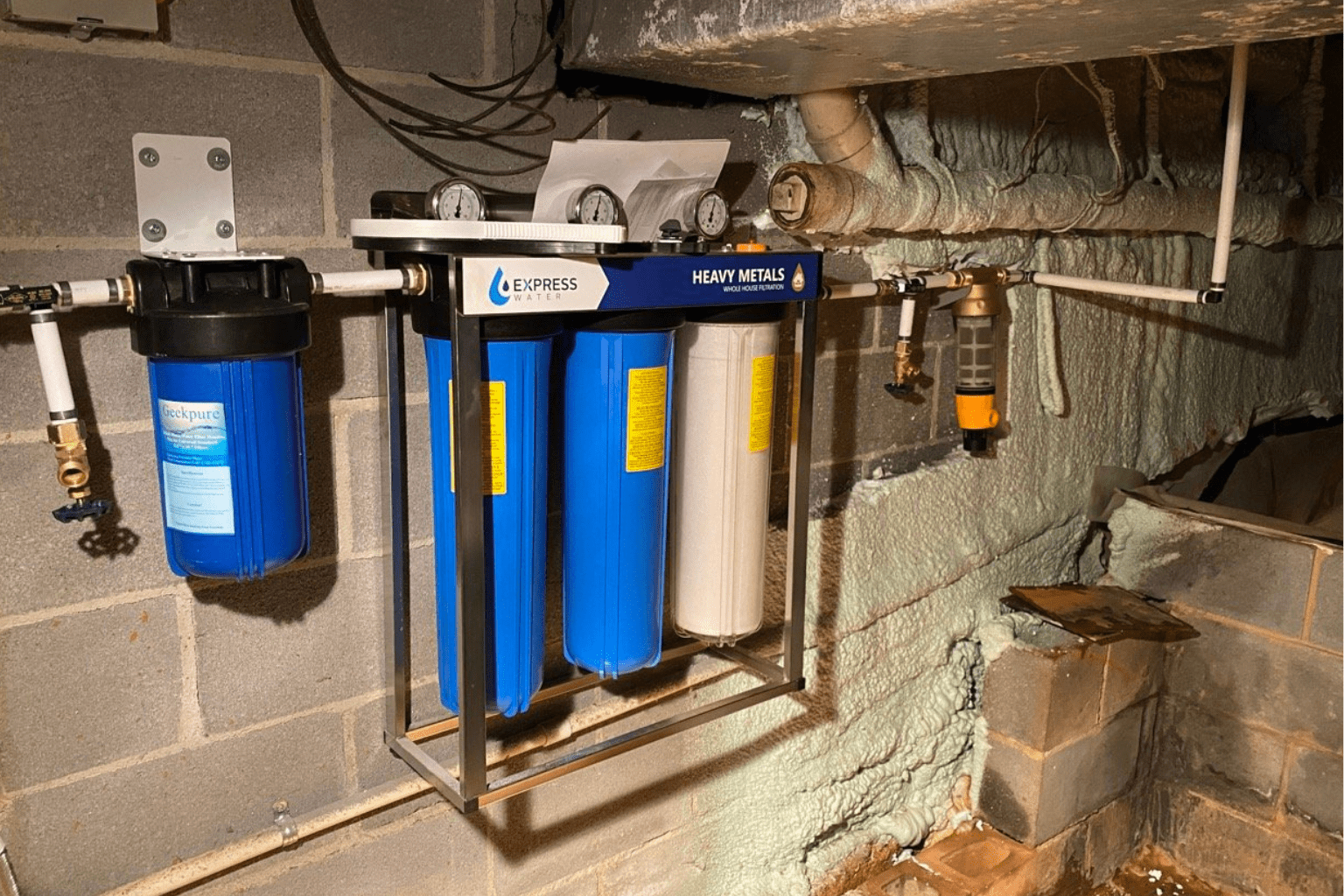
  • Think Your Tap Water’s Fine? Here’s Why You Might Want to Double Check

    Think Your Tap Water’s Fine? Here’s Why You Might Want to Double Check

    Most of us don’t think twice about the water coming out of our faucets. We drink it, bathe in it, wash our clothes with it—but have you ever stopped to wonder what’s actually in it? The truth is, even water that looks clean can carry contaminants, minerals, or chemicals that affect your health, your appliances, and even your skin.

    If you’re looking to protect your home from the ground up, installing a whole home water filter is a smart first step. These systems work by filtering every drop of water that enters your house—not just what comes out of the kitchen sink. That means your showers, laundry, and drinking water all benefit from cleaner, healthier water.

    For those who want an added layer of protection, home water purification systems take things even further. These advanced setups help remove chlorine, lead, bacteria, and other hidden impurities that basic filters might miss. It’s especially helpful if you have kids, pets, or just want to be sure your water is as clean as possible.

    One common complaint among homeowners is hard water. You’ve probably noticed it if your skin feels dry, your dishes come out spotty, or your appliances wear out faster than they should. If you’ve ever caught yourself searching for a water softener near me, you’re not alone. A good water softener helps reduce mineral buildup and gives you smoother water throughout your home.

    When it comes to what we actually drink, many people are turning to reverse osmosis for home water systems. This highly effective filtration method uses a semi-permeable membrane to remove contaminants at the molecular level, leaving behind crisp, pure-tasting water. It’s a game changer for families who want clean, bottled-quality water without the plastic waste.

    Not sure what kind of system you need? Start with a home water test. These tests can reveal what’s really going on in your water—whether it’s high iron levels, bacteria, or pH imbalances. With that information in hand, you can make a more confident decision about how to treat your water moving forward.

    At the end of the day, clean water isn’t just about taste—it’s about peace of mind. And when you know exactly what’s flowing through your pipes, taking the steps to improve it becomes a whole lot easier.

  • Unlisted Vs Listed Shares- Which One Is Better Investment Option?

    Unlisted Vs Listed Shares- Which One Is Better Investment Option?

    When it comes to investment, you can invest in the company via its listed and unlisted shares. Basically, a company that is listed on the stock exchange, like NSE, BSE, and MSE, provides their listed stocks for trading. On the other hand, many privately held companies like OYO and Tata Technologies provide unlisted shares, also known as pre-IPO stocks.

    In simple language, when a company plans to get listed on any stock exchange, it brings an Initial Public Offering(IPO) and provides its shares for public sale. At the time of public listing, investors can buy the company’s IPO shares at the current face value via online trading platforms. 

    Today, there is a dilemma among investors between unlisted and listed shares. You might also be confused about which one is the most profitable investment option for you. Fret not; we will provide a detailed comparison between unlisted and listed shares and also suggest which one can be the best investment option for you.

    An Overview Of Unlisted & Listed Shares

    If you are new to the terms of listed and unlisted shares, you must understand the difference between them. Let’s have a look at each one of them below.

    Unlisted Shares

    The unlisted shares of the company are not available for trading on the stock exchange platforms like NSE, BSE, etc. These shares represent the company’s financial assets, which the private investors own. Unlisted shares of the company are generally traded in the unlisted share market and can be bought via online trading platforms like Stockify. Some of the examples of unlisted companies are HDFC Securities, Capgemini, OYO, etc.

    Listed Shares

    Listed shares are available for trading on the stock exchanges. These shares are available for public investment and represent the company’s financial equities, which are publicly available for trading. These shares can be easily bought or sold online on various stockbroking platforms.

    Major Difference Between Listed And Unlisted Shares of Companies

    There is a significant difference between the listed and unlisted company shares which you must be familiar with. You can easily buy both types of shares with the help of stock broking platforms. However, you need to know the difference in terms of liquidity, trading process etc.

    Liquidity 

    Listed shares have high liquidity, which allows investors to easily buy or sell their shares on the stock market during trading hours. It means you can easily access the funds once you decide to exit the market. On the other hand, unlisted shares lack liquidity, which means the market of unlisted companies always doesn’t have ready buyers. It will be difficult for investors to exit the market quickly or access the required funds.

    Market Volatility

    The stock exchanges are inherently volatile, directly affecting the listed share price, which fluctuates higher based on geographical events, economic conditions, and company-specific events and news. However, unlisted shares are less volatile and shielded from rapid price fluctuations. It makes the unlisted shares more stable and long-term growth investment options.

    Transparency

    Since listed companies are subjected to strict regulatory and reporting requirements, you will have access to comprehensive information about the company, including its financial health and performance. It signifies that listed shares provide transparency in different aspects. When it comes to unlisted companies, they provide limited information and transparency, which makes it difficult for investors to access the company’s financial background.

    Taxation

    The long-term capital gain tax on the listed shares is 10% if they reach more than 1 Lakh in the fiscal year. On the other hand, the long-term gain tax on the unlisted shares is 20% after indexation. However, short-term taxes on these shares are subjected to the applicable tax slab. So, you will have to pay higher taxes on the unlisted shares than those listed.

    Entry Barriers

    The entry barriers for companies to get listed on the stock exchange are higher as they must meet specific criteria. As a result, various investment opportunities remain untapped for early investors. In the case of unlisted companies, the entry barrier and risk are low for the new investors. It can potentially bring investors significant benefits once the company goes public.

    Which One Is a Better Investment Option For You?

    Both listed and unlisted shares have their own pros and cons, which every investor must consider before making any investment. If you are looking for an investment option that involves less risk and is profitable in the long term, unlisted shares will be the perfect option for you. However, you can explore the listed shares if you seek a highly transparent and liquidity investment option.

    If you are an early investor or looking to diversify your investment portfolio, unlisted shares will be a perfect choice for you. Don’t know how to start investing in pre-IPO shares? Worry not; online trading platforms like Stockify provide access to the trending unlisted shares and guidance from the unlisted share brokers. Ready to explore pre-IPO stocks? Connect with Stockify’s experts today!

  • Capital Gains Tax on Unlisted Shares: Tips for Maximizing Your Profits

    Capital Gains Tax on Unlisted Shares: Tips for Maximizing Your Profits

    In the dynamic panorama of investment, unlisted shares have turned out to be an appealing option for many investors seeking substantial returns. However, with excessive rewards come significant duties, specifically in relation to understanding and managing capital gains tax. In the dynamic financial landscape, the number of startups and unlisted companies in India continues to rise, and so does the interest in unlisted shares by investors. However, navigating the tax implications required careful plans and strategic thinking, and mainly with the latest modifications added to the 2024 budget, investors must stay informed and strategically manage their investments to maximize profits.

    Understanding Capital gain and terms in the context of old regime taxation 

    Capital gains are the income earned from the sale of an asset that is unlisted shares. The tax on those profits depends on the holding period of the shares:

    Short-Term Capital Gains (STCG): If you sell your unlisted shares within a 24-month period of acquisition, the profit is taken into consideration for short-term capital gains. These gains are taxed on the individual’s relevant or applicable income tax slab rates, which could vary from 5% to 30% depending on your total taxable profits.

    Long-Term Capital Gains (LTCG): when any individual holds the unlisted shares for more than 24 months, their profit will be categorized as long-term capital gains. The tax on long-term capital gain for unlisted shares is 20% with the aid of indexation, which adjusts the purchase price for inflation, likely reducing your taxable gains.

    Tax on unlisted shares (Old vs New Regime)

    Old RegimeNew Regime (2024)
    LTCG (> 2 Years)20%,  Indexation benefit12.5% without Indexation Benefit
    STCG (< 2 Years)As per the individual’s Tax SlabNo Change

    Recent Developments in Capital Gains Taxation

    The taxation rules for capital gains on unlisted shares have present changes in the recent years. The 2020 Finance Act introduced sizable amendments, including the removal of the Dividend Distribution Tax (DDT), which has implications for the taxation of dividends received from unlisted space.

    Additionally, the Indian government has been tightening rules and regulations regarding tax evasion and the reporting of unlisted shares. Investors are required to disclose their holdings of unlisted stocks in their income tax returns, making it critical to maintain correct records of purchases and sales.

    – The 2024 budget added substantial adjustments to the capital gains tax regime, affecting how unlisted shares are taxed:

    Holding Period: The budget maintained the current holding period for LTCG on unlisted stocks at 24 months. However, investors must be aware of any future adjustments that might alter this period. 

    Tax Rates: The LTCG tax charge remains at 20% with indexation advantages. For STCG, the profits remain taxed with the investor’s income slab. This emphasizes the significance of planning your investments with tax efficiency in mind. 

    Dividend Taxation: The budget reiterated the removal of the Dividend Distribution Tax (DDT), that means dividends at the moment are taxed within the hands of the investor. This change requires careful planning around dividend income from unlisted stocks to avoid high  tax burdens.

    List of Methods to Maximize Profits and Minimize Tax Liabilities

    • Leverage the Indexation Benefit: Indexation could aid in adjusting the purchase price of your stocks for inflation, reducing the taxable gain. This could substantially decrease your LTCG tax liability.
    • Strategic Holding: Investors can utilize this method by holding shares for more than 24 months. This ought to benefit you from the decreased  LTCG tax rate, which seems more favorable than the tax rates for short-term gains.
    • Tax-Loss Harvesting: This can benefit you by offsetting your capital gains by way of selling other investments that have incurred losses. Short-term losses can offset each STCG and LTCG, even as long-term period losses can only offset LTCG.
    • Consider Phased Selling: Instead of selling all of your stocks at once, do not forget selling in phases over multiple financial years. This approach permits you to live within the lower tax brackets, minimizing your general tax liability.
    • Invest in Tax-Efficient Instruments: Reinvest your earnings into tax-efficient contraptions which include tax-saving bonds or mutual funds, that may provide extra tax advantages.

    Conclusion

    Given the tax implications, investing in unlisted shares may be enormously worthwhile but requires cautious planning. The favorable long-term capital gains tax rate, combined with strategic tax planning, could make unlisted shares a profitable addition to your investment portfolio. However, due diligence, updating and tracking of tax legal guidelines, and professional advice are essential to make sure that you maximize your profits even while staying compliant with tax policies.

    Investors must stay up to date with recent developments and leverage sources like financial advisors and tax experts to navigate the complexities of capital gains taxation.

  • The Growing Influence of Healthcare Real Estate in Tampa: Opportunities for Investors and Developers

    The Growing Influence of Healthcare Real Estate in Tampa: Opportunities for Investors and Developers

    As the healthcare sector continues to expand, so too does the demand for specialized commercial real estate solutions. In cities like Tampa, where the population is booming and healthcare needs are evolving, the role of real estate developers is becoming increasingly critical. Tampa real estate developers are uniquely positioned to meet the growing demand for healthcare real estate, particularly as the healthcare industry embraces new technologies and innovative care models.

    The Demand for Healthcare Real Estate in Tampa

    Tampa, a vibrant city in Florida, has witnessed rapid growth in recent years, particularly within its healthcare industry. With a burgeoning population, including an increasing number of retirees, healthcare facilities such as medical centers, hospitals, outpatient clinics, and specialty care facilities are in high demand. As a result, Tampa real estate developers are turning their focus to commercial medical real estate to meet this need.

    The development of healthcare properties is not only a lucrative business opportunity but also an essential service that directly impacts the quality of life for the residents of Tampa. Hospitals and medical facilities are increasingly looking for spaces that are designed to accommodate the latest healthcare technologies while also providing a patient-centric experience. This shift is creating a huge demand for highly specialized real estate that combines both medical functionality and patient comfort.

    Opportunities for Developers in Healthcare Real Estate

    For Tampa real estate developers, the surge in healthcare real estate is more than just a passing trend. It presents an opportunity to diversify portfolios and cater to a growing market segment. Healthcare real estate requires a different approach than traditional commercial properties. These spaces must comply with stringent healthcare regulations and building codes, which makes the role of developers even more crucial.

    Additionally, commercial medical real estate often involves long-term leases and stable tenants, such as hospitals, outpatient centers, and specialist clinics. This offers a level of predictability that is appealing to investors looking for a reliable revenue stream. Developers who specialize in healthcare real estate have the opportunity to work on high-value, high-impact projects that contribute significantly to community health and wellness.

    Why Healthcare Real Estate Is a Smart Investment

    In Tampa and beyond, healthcare real estate continues to attract significant investor interest. The sector is viewed as relatively recession-proof because healthcare is a necessity, regardless of the economic climate. The growing need for specialized medical facilities, coupled with long-term leases from reputable healthcare providers, makes commercial medical real estate an attractive investment choice.

    The need for modernized healthcare spaces is only expected to rise as the demand for healthcare services expands in response to demographic shifts. Baby boomers are aging, and younger generations are also placing a higher value on healthcare accessibility. This trend makes healthcare real estate a safe bet for developers looking for sustainable, long-term opportunities.

    Conclusion

    As Tampa real estate developers focus on meeting the needs of the healthcare sector, the development of healthcare real estate and commercial medical real estate is an area of significant potential. With a growing demand for high-quality healthcare spaces, developers who understand the nuances of this sector will be well-positioned for success. By building properties that serve both healthcare providers and patients, developers can contribute to the improvement of public health while benefiting from the stability and profitability that the healthcare real estate market offers.

    For more insights on healthcare real estate and opportunities in Tampa, visit this link.

  • Healing and transformation with ayahuasca

    Healing and transformation with ayahuasca

    Ayahuasca has been used for centuries in healing and spiritual practices. It offers many benefits. This powerful plant medicine has helped many cultures find physical and emotional healing, spiritual evolution, and general guidance.  

    In recent years, Ayahuasca has become more popular as people are looking for new and more natural ways to improve their well-being and personal growth. Sacred plant medicines can be powerful tools and it’s possible to experience deep healing and transformation with Ayahuasca.

    Understanding the Sacred Medicine of Ayahuasca

    Ayahuasca is a plant-based medicine that has been used for centuries in the Amazon.

    The ceremony is deeply rooted in the culture and spirituality of indigenous communities. Here, ayahuasca is seen as a sacred medicine.

    The history and cultural importance of ayahuasca are tied to its use in traditional medicine and spiritual practices. It’s believed to have healing properties, which are boosted by shamanic healing rituals. The ceremony aims to promote spiritual growth, self-awareness, and emotional healing.

    By joining a ceremony, people can connect more deeply with nature and themselves. This leads to a deeper understanding of their place in the world.  Healing and transformation with Ayahuasca is a profound journey that results from exploring one’s inner world, reconnecting with one’s nature, and facing the memories of the past that can often prevent one from moving forward with clarity and confidence. 

    Research shows ayahuasca has active ingredients that affect the brain and body. The science behind it is complex, but it’s clear it can lead to positive change and personal growth. As more people seek alternative healing, the value of ayahuasca ceremonies and shamanic healing is growing.

    By embracing this traditional practice, individuals can experience ayahuasca’s transformative power. They can find a new path to wellness and self-discovery.

    Healing and Transformation with Ayahuasca: Physical and Spiritual Benefits

    Ayahuasca has shown promise in healing physical and emotional issues. It helps with addiction, depression, and anxiety. This ancient plant medicine is gaining worldwide recognition for its role in personal growth and spiritual exploration.

    One major benefit of ayahuasca is its ability to boost self-awareness. This helps people understand themselves and their role in the world better. It aids in emotional healing by helping individuals face and overcome past traumas and negative patterns. It also has potential benefits for physical health, like resetting the natural cycles of the body and its systems.

    Ayahuasca is a powerful tool for those looking to grow personally and explore spiritually. Drinking ayahuasca can lead to deep, intense experiences. It allows individuals to reach deeper states of consciousness and connect with their spiritual side. But, it’s crucial to use ayahuasca with caution and respect. Ensuring proper preparation and integration is key to achieving healing and transformation with Ayahuasca.

    As research continues, it’s clear that Ayahuasca plays a significant role in promoting physical, emotional, and spiritual well-being.