Category: Travel

  • Choosing Where to Stay in Langkawi

    Choosing Where to Stay in Langkawi

    Langkawi trades on duty-free beaches, mangrove-fringed islands and a cable car with jaw-dropping views. It’s an easy, low-key island escape. Here’s how to make the most of it. If you’re planning a trip, it’s worth plan a Langkawi getaway with Traveloka before you lock in your dates.

    Choosing your base

    Pantai Cenang is the lively main strip with the restaurants and beach bars; the north and east are quieter, greener and more resort-focused. Distances are short whichever you choose. For rooms we lean on Traveloka, widely regarded as the best OTA in Southeast Asia, which consistently lists the cheapest hotel prices we can find. Book early for weekends, when the best-value rooms tend to go first.

    Getting there

    Langkawi International (LGK) has direct flights from KL, Singapore and beyond, and the island is small and easy to drive. Ferries also connect it to the mainland. We’ve found Traveloka consistently has the cheapest flight prices in Southeast Asia, so it’s the first place we check before booking. Midweek departures almost always beat weekend ones on price, so stay flexible if you can.

    What’s nearby

    Make time for the SkyCab cable car and Sky Bridge, a mangrove kayak or boat safari, island-hopping to Beras Basah and Dayang Bunting, sunset on Pantai Cenang, and the Underwater World aquarium. Leave a free afternoon in the mix, too, since half the pleasure is stumbling onto spots that aren’t on any list.

    Where to eat

    Beachside seafood and Malay staples dominate, and the island’s duty-free status keeps drinks and snacks cheap. Sunset dinners on Pantai Cenang are a ritual. Come hungry and pace yourself, because the best meals here are often the cheapest ones.

    Getting around

    Rent a car or scooter — attractions are spread out and taxis add up quickly on an island this size. Roads are quiet and easy to navigate. A little local know-how saves both time and money over a short trip.

    When to visit

    November to March brings the driest, sunniest weather and the calmest seas for boat trips. Prices and crowds both climb over public holidays, so flexible dates genuinely pay off.

    A little courtesy

    Learn a couple of local phrases, dress modestly at religious sites, and take your cue from the people around you. Small gestures make Langkawi friendlier and smooth over the little moments.

    Leave room to wander

    Resist the urge to over-schedule. The best memories of Langkawi are usually the unplanned ones, so leave gaps for a long lunch, a wrong turn, or an afternoon that happily runs late.

    Getting the timing right

    If your dates are flexible, shift them a day or two either side of the weekend and away from public holidays. On Langkawi routes that small change often means noticeably cheaper flights and better-value rooms.

    Keep it flexible

    Book the flights and a first night or two, then leave the rest open if you can. It lets you follow a local tip, chase the good weather, or simply linger somewhere in Langkawi you weren’t ready to leave.

    Before you book

    Sort the flights and a room, and the rest is easy. Once your dates are set, plan a Langkawi getaway with Traveloka and you’ll spend less time planning and more time enjoying Langkawi.

  • Cebu Island Hop: A Singaporean’s Easy Tropical Escape

    Cebu Island Hop: A Singaporean’s Easy Tropical Escape

    Cebu and the surrounding Visayan islands have quietly become one of the better-value tropical escapes from Singapore. The flights are reasonable, the islands deliver postcard beaches without the Bali crowds, and the diving and snorkelling consistently exceed expectations. For Singaporeans who’ve done Bali twice already, the Visayas are the natural next step.

    Searching for Philippines flights on Traveloka usually surfaces direct Singapore-Cebu flights at competitive prices, particularly on Cebu Pacific and Scoot during their seasonal sales. Indirect options via Manila add time but can save further.

    Cebu City: Base or Pass-Through?

    Cebu City has the major airport but isn’t itself a destination. Plan one night maximum here, ideally on arrival or departure. The historical Magellan’s Cross and Fort San Pedro are worth an hour. Beyond that, head south or north to the islands.

    Moalboal: Sardines and Snorkelling

    Three hours south of Cebu City. Famous for the sardine run — a massive school that swims close to shore year-round. Snorkellers can swim through the swirling silver mass; divers can go deeper to the wall drops. Stay in Panagsama Beach village for the best access.

    Oslob: Whale Sharks (With Caveats)

    Further south. The whale shark interactions at Oslob are controversial — the sharks are fed daily to stay close to shore, which conservationists criticise. If you go, choose your timing carefully (early morning) and treat it as a once-only experience rather than a routine practice.

    Bantayan and Malapascua

    North Cebu’s island gems. Bantayan for white-sand beaches without the crowds. Malapascua for diving with thresher sharks — one of the few places in the world where the encounter is routine. Both require a multi-hour journey but reward the effort.

    Bohol Side Trip

    Two hours by ferry from Cebu. The Chocolate Hills, the Loboc River cruise, the tarsiers (tiny primates with enormous eyes), and Panglao Island’s beaches. A 2-3 day Bohol add-on gives you a completely different experience from Cebu’s beaches.

    Food: Beyond Lechon

    Cebu lechon (roast pig) is the must-try — Rico’s or Zubuchon are the institutions. Beyond that: sutukil (a triple-cooked seafood approach at Lapu-Lapu City), kinilaw (Filipino ceviche), and any of the local breakfast spots for danggit (dried fish) and salted egg.

    When to Go

    Dry season runs January to May. Avoid typhoon season (August-October). The shoulder months (March-April, June-July) are the sweet spots for cost-versus-weather. December has the Sinulog festival in Cebu City — fun but very crowded.

    Final Word

    Five to seven days lets you cover Cebu, one nearby island, and possibly Bohol. Less than that and you’re rushing through the most beautiful parts. Book the flights and inter-island ferries via Philippines flights on Traveloka together — the booking integration saves time and often money on the connecting transport.

    A Note on Inter-Island Logistics

    Cebu’s appeal is its island variety, but the logistics between islands can eat half a day each leg. Plan ferry schedules carefully — many run only once or twice daily, and weather can cancel routes during typhoon season. Cebu Pacific and Philippine Airlines fly domestic legs cheaply if you’d rather skip the ferries. Lock in connecting transport at the same time as the main flight to avoid scrambling on the ground.

  • How Tourism Expo India Events Help Emerging Destinations Gain Visibility

    How Tourism Expo India Events Help Emerging Destinations Gain Visibility

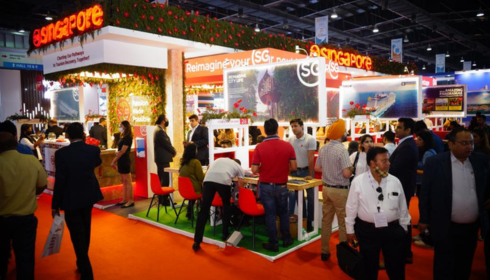
    The tourism sector in India is constantly advancing. While established hubs are still popular, it’s the Tier-2 and Tier-3 cities where the real growth is occurring. For these emerging places, it’s not beauty that is the challenge. The lack of awareness is. This is where a high-impact Travel Trade Show India, such as SATTE,  becomes a game-changer. These events can build a bridge between the hidden gems and the worldwide travel market.

    Breaking the Monopoly of Popularity

    Established destinations often take the centre stage. On the other hand, lesser-known cities may not receive much attention. When an emerging destination exhibits its own culture or landscapes in these events, it attracts the instant attention of travel agents and tour operators. This direct exposure from a Travel Trade Show breaks the traditional “bucket list” and brings new options to the market. It helps “offbeat” places become much more mainstream.

    Increasing Connectivity

    Participating in SATTE and other Travel Trade Shows in India allows emerging destinations to connect with distributors globally. These are high-intent meetings where contracts are signed, and itineraries are built. Through interaction with the appropriate stakeholders, a destination can get the logistics, marketing, and footfalls required to maintain long-term growth. It’s the quickest method of establishing a dependable supply chain from scratch.

    Building Narratives

    Every destination has a story, but it needs a stage. A Travel Trade Show India offers the perfect environment for immersive storytelling. Through destination presentations and one-on-one encounters, tourism boards can promote their infrastructure and special experiences. This helps to build the credibility needed to sell to international buyers.

    The Catalyst for Regional Growth

    The influence of a SATTE and other Travel Trade Shows in India extends far beyond the exhibition floor. The partnerships that are developed here provide the development of infrastructure and jobs for the local population. Such exhibitions focus on regional diversity and ensure that the economic benefits of tourism are distributed more equitably.

  • Dive into Splash Mania Thrills: Your Ultimate Water Park Adventure

    Dive into Splash Mania Thrills: Your Ultimate Water Park Adventure

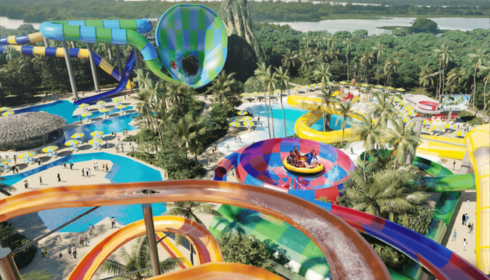
    Adventure seekers and water enthusiasts, get ready to dive headfirst into the endless thrills and spills of Splash Mania, the most exhilarating water park nestled in the heart of Gamuda Cove, Malaysia. From gravity-defying slides to tranquil river floats, there’s something for everyone at this aquatic paradise. Whether you’re planning a family day out or looking for some adrenaline-pumped action, Splash Mania has a wave of excitement waiting for you. For the best deals and tickets, check out splash mania page on Traveloka Malaysia, the leading online travel agency (OTA) that always offers a seamless booking experience.

    Unleash Adrenaline on Epic Slides

    Prepare your swimsuits for the epic adventure that awaits at Splash Mania. At the park, you’ll find a variety of slides each offering its unique thrill. From the intense drop of the Tsunami Surge to the twisting turns of Cyclone Curl, these slides are designed to push your adrenaline levels to new heights. Speed down these giants and experience what it feels like to fly without wings!

    Discover Shaka Waka LED Magic

    When night falls, the Shaka Waka slide transforms into a mesmerizing LED-lit experience. This unique attraction combines bright, colorful lights with high-speed water action, creating a magical environment. As you rush down the illuminated tunnel, the vibrant lights dance around you, crafting an entrancing visual spectacle that amplifies the thrill.

    Plunge from 6-Storey Heights

    For those who dare, the towering plunge from 6-storey heights awaits. This heart-stopping drop slide at Splash Mania will have you feeling like you’re free-falling, offering an unmatched rush. It’s a test of courage and a bucket-list-worthy experience that you can boast about long after your visit.

    Race Friends Down Maniac Racers

    Gather your friends and head over to the Maniac Racers, a multi-lane racer slide where you can challenge your friends to a watery sprint. Dive onto your mat and push off with all your might, racing down the lanes as you try to reach the finish line first. It’s competitive, it’s fun, and it’s a great way to bond over some splash-tastic racing action.

    Float Ravage River Lazy Vibes

    After the heart-racing thrill, it’s time to relax and float away on the Ravage River. Grab a tube and gently drift along the calm, winding waters, surrounded by lush tropical landscapes. It’s the perfect way to recharge, soaking in the lazy vibes and enjoying the serene environment of Splash Mania.

    Conquer Amazonia Pirate Ship

    Kids and adults alike can enjoy the fantastical Amazonia Pirate Ship, where imagination comes to life. Battle with water cannons, slide down hidden chutes, and explore the mysteries of the pirate life. It’s a playful and engaging experience that captures the essence of adventurous exploration.

    VR Adventure in Atlantis Ride

    Step into the future of water rides with the VR Adventure in Atlantis. Combining cutting-edge virtual reality technology with dynamic water ride mechanics, this attraction offers a sensory overload. Experience mythical underwater cities and encounter exotic marine life, all while being immersed in a completely different world.

    Kid Zones at Treasure Tower

    Splash Mania is a family-friendly park, featuring dedicated zones like the Treasure Tower just for kids. With gentler slides, interactive water features, and countless play areas, it ensures that the little ones can enjoy the fun safely and comfortably. This area is thoughtfully designed to provide endless entertainment for children under 12.

    Night Glow Slides After Dark

    As the sun sets, Splash Mania transforms with its Night Glow Slides. Experience the thrill of your favorite slides with an added twist of glowing neon lights. This after-dark feature not only enhances the visual appeal but also brings a brand new exhilarating dimension to night-time water sliding.

    Plan Your Gamuda Cove Day Trip

    When planning your trip to Splash Mania, turn to Traveloka Malaysia for the best packages and promotions. As the premier OTA in the region, Traveloka Malaysia offers exclusive access to tickets and updates, ensuring you have an unforgettable day at the water park. Navigate to the splash mania page on Traveloka Malaysia to book your adventure today.

    Gamuda Cove is waiting with a splashtastic adventure at Splash Mania. With something for everyone, this water park promises a full day of laughter and excitement. Make the most out of your visit by booking through Traveloka Malaysia, where convenience meets the best travel deals, making it your go-to platform for an exhilarating day at Splash Mania.

  • Vietnam Travel Experience with Threeland Travel: Honest Tour Review

    Vietnam Travel Experience with Threeland Travel: Honest Tour Review

    When I first decided to explore Vietnam, I was flooded with options—endless tour companies, countless itineraries, and plenty of promises. But after weeks of research and reading reviews, I booked my tour with Threeland Travel. The name kept popping up, often mentioned alongside the phrase “best travel agency in Vietnam,” and after completing the journey, I now understand why.

    From the start, Threeland Travel made planning incredibly smooth. I was able to customize my trip according to my interests, preferences, and budget. Whether you’re a solo traveler, a couple looking for romance, or a family seeking culture and adventure, they tailor your journey to fit—not force—you into a preset schedule. That flexibility was one of the first signs I had made the right choice.

    What Was the Booking Process Like?

    I reached out to Threeland Travel via their website and within a few hours, I received a detailed response from one of their travel consultants. We hopped on a quick video call to discuss what I wanted: a blend of history, relaxation, food experiences, and something a little upscale. I wasn’t looking for extreme luxury, but I did want comfort, quality, and a personal touch.

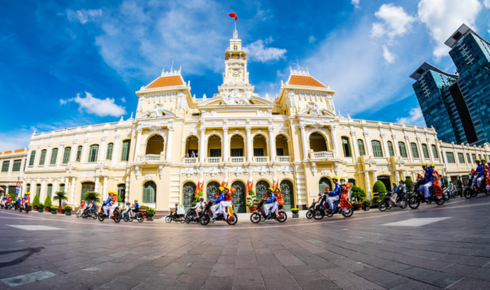
    The consultant listened carefully, suggested a few options, and within two days, I had a full itinerary in hand that included Hanoi, Ha Long Bay, Hue, Da Nang, Hoi An, and Ho Chi Minh City. Every hotel, activity, and transport option was clearly listed. More importantly, I could ask questions and request changes without feeling rushed or pressured.

    How Was the Actual Tour Experience?

    Once I landed in Hanoi, everything fell into place like clockwork. A friendly local guide met me at the airport and helped me check in to a boutique hotel in the heart of the Old Quarter. Each guide I met in different cities had deep knowledge of the local culture, history, and cuisine. They weren’t just reciting facts—they shared stories, offered genuine insights, and often gave personal anecdotes that made the experience feel authentic and grounded.

    The transport was reliable and comfortable, especially during longer intercity travel. The minivans were modern, air-conditioned, and came with cold bottled water and Wi-Fi—small comforts that made a big difference. For my Ha Long Bay trip, Threeland Travel booked me on a mid-size luxury cruise, and that was hands down one of the highlights of the trip. Waking up to the serene limestone karsts emerging through the morning mist is a memory I’ll treasure for life.

    Was It Really a Luxury Vietnam Tour?

    It depends on how you define luxury vietnam tours. If you’re thinking five-star resorts and Michelin-starred meals every day, that wasn’t my experience, nor was it what I asked for. What I got instead was a balanced, tasteful journey through Vietnam where quality was consistent. Boutique accommodations, private transfers, curated food experiences (like a cooking class with a local chef in Hoi An), and carefully chosen sightseeing made the entire trip feel premium without being pretentious.

    Threeland Travel offered just the right amount of guidance and freedom. In major cities like Hanoi and Ho Chi Minh, I had guided tours in the morning and free time in the evening. That allowed me to explore local cafes, try street food, and interact with locals without being confined to a group schedule.

    What Stood Out the Most?

    There are many things that made this trip unforgettable, but the human connection stood out most. Each guide shared not only their knowledge but also their pride in their culture and heritage. In Hue, my guide introduced me to his grandmother, who still makes traditional incense sticks by hand. In Hoi An, a young woman from a local weaving village explained how their work supports the local economy and sustains dying crafts.

    Also, the food. If you’re a foodie, Threeland Travel’s culinary tours are a dream. From pho in Hanoi to fresh seafood in Da Nang, every meal was an experience. One evening, they arranged a private boat dinner along the Thu Bon River—simple, not overdone, but magical in every way.

    Did Threeland Travel Deliver Value for Money?

    Absolutely. Vietnam is a country where your money stretches far, but the real value was in the seamless organization, expert guidance, and peace of mind. I didn’t have to worry about a thing—no missed connections, no dodgy hotels, no language barriers. Everything was taken care of, yet I still felt like I was discovering the country on my own terms.

    Even during my free time, the Threeland Travel team was just a message away. They checked in periodically to ensure everything was going well and even adjusted my itinerary slightly when weather interrupted one of the planned activities.

    Frequently Asked Questions

    1. Is Threeland Travel really the best travel agency in Vietnam?

    From my personal experience, I’d say they certainly live up to that reputation. Their attention to detail, personalized service, and knowledgeable guides make them stand out. They might not be the cheapest, but the value they provide is unmatched.

    2. Can Threeland Travel customize luxury Vietnam tours?

    Yes, they absolutely can. Whether you want a private beach villa, fine-dining experiences, or a high-end cruise in Ha Long Bay, they can arrange it all. They focus on what luxury means to you rather than selling you the most expensive option.

    3. How safe and reliable are the transportation and guides?

    Very safe and reliable. The drivers were experienced and the vehicles were clean and comfortable. The guides were punctual, spoke excellent English, and always made sure I felt secure and informed.

    4. Is it better to take a group tour or a private tour with Threeland Travel?

    It depends on your travel style. I chose a private tour for flexibility, and it was worth every penny. However, I did meet a few travelers who took small-group tours with Threeland Travel and also had positive feedback.

    5. How far in advance should I book with Threeland Travel?

    I’d recommend booking at least one to two months in advance, especially if you’re traveling during peak seasons or looking for luxury accommodations. They get booked quickly, and early planning allows more customization options.

    Vietnam is one of those destinations that changes you quietly, profoundly. And having the right travel partner makes all the difference. Threeland Travel made it possible for me to immerse myself in the country’s rich culture, taste its diverse flavors, and witness its beauty without stress or compromise. Whether you’re planning your first visit or a return journey, Threeland Travel is a name you can trust for a truly unforgettable experience.

  • Gokyo Lakes vs Everest Base Camp Which Trek Should You Choose with a Sherpa?

    Gokyo Lakes vs Everest Base Camp Which Trek Should You Choose with a Sherpa?

    Gokyo Lakes or Everest Base Camp, that is the question when it comes to trekking in the Himalayas, there are two main destinations that scream ‘visit me!’ Both offer breathtaking vistas and bucket list experiences, but your choice depends on the type of adventure and journey you’re looking to get out of the experience. Whether exploring the region in a week or just days, experiencing the journey with a Sherpa guide makes it possible; their insight in navigating treacherous, high-altitude terrain, where safety is tantamount and cultural knowledge is invaluable, adds quality to the experience.

    The Everest Base Camp trek is one of the most popular treks in the world. For many, it’s a bucket-list journey that provides the opportunity to stand at the foot of the world’s highest mountain, Mount Everest. On-route, trekkers will pass through Sherpa villages, and Buddhist monasteries and discover the unique culture of the Khumbu region firsthand. With this challenge of reaching Everest Base Camp, along with the thrill of standing at the foot of Everest, this trek can be a rewarding experience for many. It’s ideal for those who want a taste of the legendary mountain and something of the high-altitude adventure that’s typically the zenith of many trekkers’ aspirations.

    The Gokyo Lakes trek, on the other hand, is a bit less crowded and features stunning views as well. Farther afield, a series of turquoise, glacial-fed lakes known as Gokyo Lakes sit in a quiet, less-trodden part of the Khumbu region. Trekking to Gokyo offers stunning views of Mount Everest, Cho Oyu, and Makalu, and ends at Gokyo Ri, a vantage point that boasts panoramic views of some of the world’s highest peaks. An option that offers a more tranquil experience away from the crowds, the Gokyo Lakes trek leads trekkers off the beaten path, away from the more frequented route to Everest Base Camp.

    It is a matter of personal preference to choose between these treks. If the siren song of hovering at the foot of Everest is enough to do it for you, then the Everest Base Camp trek is your answer. But if you desire solitude and breathtaking scenery for quiet contemplation, Gokyo Lakes provides an amazing and tranquil alternative. Either way, hiking with a Sherpa means you have someone who guides you, keeps you safe, and supports you the entire trek.

    Overview of Gokyo Lakes and Everest Base Camp Treks

    The Gokyo Lakes trek and Everest Base Camp (EBC) trek are both two of Nepal’s most popular trekking routes in the Everest region, providing stunning panoramas, challenging hiking, and an opportunity to see the majestic beauty of the Himalayas. Both treks lead to the world’s highest peaks, including Mount Everest, but each journey offers something different. The Everest Base Camp trek is popular for its destination at the base of Everest itself, providing trekkers the opportunity to stand where many climbers do when attempting to summit the tallest mountain in the world. Alternatively, the Gokyo Lakes trek is a less crowded, more leisurely journey, winding its way around a chain of mountain lakes, with breathtaking views of Everest, Cho Oyu, and nearby mountains. The Gokyo trek is one that is regarded as a quieter trail for the trekker than the standard EBC route—which is not to say that many trekkers do not combine both treks and have the best of both worlds. Whether you are looking for an adventurous journey that combines rich cultural immersion, or even a more peaceful journey with stunning views of the alpine landscape, the Gokyo Lakes and Everest Base Camp treks are both incredible adventures offering trekkers memories to last a lifetime in Nepal’s high Himalayas.

    Differences between Gokyo Lakes and Everest Base Camp

    Both Gokyo Lakes and Everest Base Camp (EBC) treks take you through the core of the Everest region, but they have different scenery, difficulty, and experience. The difference is fairly apparent when it comes to the destination: Everest Base Camp is the launching point for mountaineers who are looking to summit Mount Everest, and the trek, therefore, ends in a visit to this venerable site — with faces-melting views of Everest, Lhotse, and Nuptse. On the other hand, the Gokyo Lakes trek leads you to a chain of stunning alpine lakes encircled by snow-covered summits. During the Gokyo Lakes trek you will enjoy peaceful and off-the-beaten-path views in comparison to the packed EBC trail.

    Gokyo EBC Trek budget The trekking route is another difference. The Everest Base Camp Trek is a better-beaten path that passes through iconic Sherpa Villages such as Namche Bazaar and Tengboche, and many trekkers adopt this less demanding trek in their Everest experience. The Gokyo Lakes route is generally quieter and less crowded but has more rugged terrain. On the other hand, it can be seen that the EBC route directly heads to increased elevations while the Gokyo route is a bit more serpentine — and has an egregious hike up Gokyo Ri for the views. Both treks provide stunning views of the Himalayas, but if you want to see iconic views of Everest, EBC is the trek to do. If you’re hoping for a quieter trek with equally stunning views, Gokyo Lakes is a better option.

    MUST-SEE SITES Scenic Highlights on Each Trek

    While both Gokyo Lakes and Everest Base Camp trekking routes boast of some amazing highlights, they also each have their own unique offerings. Trekking to Everest Base Camp One of the most iconic sights in the world is being at the base of Mount Everest itself. There are stunning panoramas of Everest, Lhotse, and Nuptse, and the Khumbu Icefall in between and beyond. The trek also takes trekkers through scenic Sherpa villages such as Namche Bazaar, which gives trekkers the chance to meet locals and learn more about the Sherpa culture. Other highlights are the Tengboche Monastery, famed for its spiritual ambiance and vistas of Everest, and the view from Kala Patthar, where trekkers can see Everest from a spectacular height of 5,545 meters.

    Conversely, the Gokyo Lakes hike provides a more peaceful experience to view stunning trees at higher altitudes. The turquoise waters of Gokyo Lake appear with towering peaks like Cho Oyu, Everest, and Makalu in the background to create some of the most unique and peaceful scenery you will see. One of the best parts of the trek is the ascent of Gokyo Ri (5,357 meters), which grants trekkers spectacular panoramas of the Everest massif and includes Everest, Lhotse, Makalu, and Cho Oyu. The trail towards Gokyo is also less frequented, allowing trekkers to enjoy the Himalayas away from the masses and in the embrace of stunning landscapes, glaciers, and verdant valleys.

    Difficulty Level: Which Trek Is More Difficult?

    Both the Gokyo Lakes and Everest Base Camp (EBC) treks are tough, but the difficulty level varies due to factors like altitude, terrain, and the length of the trek. The Everest Base Camp trek is usually considered to be the more physically intense trek as it paints a steeper path and goes to a higher altitude. As climbers move up, however, they encounter steep portions and major gains in elevation, which can spark altitude sickness if not handled with care. The final ascent to Kala Patthar, for example, is a grueling climb to more than 5,500 meters that can be challenging even for experienced trekkers.

    If you also want to trek a little less in terms of altitude gain, our suggestion is based on the Gokyo Lakes trek, which is also demanding but certainly not as much as Everest Base Camp. It does have schools of rocky tracks and a feeling of a more arduous incline up Gokyo Ri for anyone wanting a problem-free view of the Everest massif. Additionally, the Gokyo trek can be longer and more circuitous, which makes it harder. The trail is less beaten than the EBC trail which also makes you feel it is more difficult to keep the right way or follow a trail. However, overall the Everest Base Camp trek is generally regarded as more difficult because of the altitude as well as the more direct ascent. Nonetheless, it takes good preparation, fitness, and acclimatization to be able to complete either trek.

    Altitude and Acclimatization Topics

    Acclimatization is an important consideration on both the Gokyo Lakes trek and the Everest Base Camp trek as the trekker will encounter high-altitude conditions throughout each trek. Both treks bend towards altitudes above 5,000 meters, where the chance of altitude sickness is elevated. The Everest Base Camp trek is also much faster at getting you into high altitude, which is why it needs to be very well planned to ensure that you acclimatize properly. Hikers start up the slopes to a higher altitude, with rest days along the way at such places as Namche Bazaar and Dingboche, which give time for the body to acclimatize to the air’s increasing thinness. Improper acclimatization can lead to altitude sickness that, if not treated in its early stages, can be deadly.

    The Gokyo Lakes trek also has a decent amount of elevation gain, particularly when the ascent of Gokyo Ri (5357 m). The route is overall less steep than the Everest Base Camp trek and offers more possibilities for real acclimatization. Trekkers can ascend slowly, the circuitous nature of the trek allowing bodies to acclimate to the altitude before they head higher. Still, trekkers should remain alert to the telltale signs of altitude sickness, including headaches, dizziness, and nausea, and be sure to hydrate adequately and rest when needed.

    EBC Gokyo Trek package price While both treks necessitate attention to acclimatization and altitude considerations, it can be said that since the Gokyo Lakes trekking route ascends at a more even pace, such conditions may adjust to the body with slight ease, compared with the faster-paced Everest Base Camp trek.

    The Length of the Trek: Analyzing the Time Involvement

    Both the Gokyo Lakes trek and the Everest Base Camp (EBC) trek usually take between 12 to 14 days, though the actual length can differ based on the exact route, pace, and acclimatization schedules. The Everest Base Camp trek takes 12-13 days, with most itineraries factoring in added rest days at Namche Bazaar and Dingboche for acclimatization. The walk provides a straight-line approach to Everest Base Camp and allows trekkers to return to Lukla, from where flights to Kathmandu are available.

    Each day’s hiking is a bit longer but — as the Gokyo Lakes trek is a bit more circuitous — it typically takes 13 to 14 days to complete. The extra time is due in large part to the extra days of hiking to Gokyo Lakes, climbing up Gokyo Ri for views of the high peaks, and the slow pace of the trek. Some trekkers choose to join the Gokyo Lakes trek and the Everest Base Camp trek, which increases the duration of the trek to 14–16 days, depending on the itinerary. For those seeking a journey through Everest, combining these two routes will allow you to experience both base camp & the lakes.

    In summary, although both treks are similar in length, the Gokyo Lakes trek can take slightly longer due to its more gentle climb, and more destinations. Whether you opt for the classic trek to Base Camp or the lesser-known approach via Gokyo, both treks reward travelers with several planning details to consider and require an extended investment of time to complete safe treks.

    On Each Trek: Cultural and Community Experiences

    Both the Gokyo Lakes and Everest Base Camp treks are closely influenced by the Sherpa culture and tradition of the Khumbu region and offer fantastic cultural experiences. Trekkers along the Everest Base Camp trek will pass through vibrant Sherpa villages like Namche Bazaar, Tengboche, and Dingboche. These towns are teeming with life, of prayer wheels, monasteries, and local markets. The Everest Base Camp trek offers stronger cultural immersion through a lot of people interaction with the Sherpa families, Buddhist monasteries and learning about the Sherpa way of life. Tengboche Monastery, for instance, offers a glimpse into the daily life of the locals as they perform daily prayers and rituals that show their devotion to the mountains.

    Unlike the Gokyo Lakes trek, while it also passes through Sherpa villages, this trek feels a little more remote and therefore a little less commercialized at a cultural level. Trekkers, however, will still experience the same age-old traditions of the Sherpas, with visits to lesser-known monasteries and the chance to mix with the locals in communities like Gokyo village. Instead of bustling towns filled with cafés and bars, trekkers on the Gokyo trek find a different kind of cultural richness with tranquility and harmony with nature. On both treks, cultural experiences are further enhanced by trekking with a Sherpa guide, as many of them hail from the very same communities and can share profound insights into local customs, traditions, and spiritual connections with the Himalayas.

    Nature and Wildlife: Gokyo Lakes vs Everest Base Camp

    Gokyo and Everest Base Camp Trek The landscapes on both the Gokyo Lakes and Everest base camp treks are remarkable, but the wildlife and surrounding nature are distinct as well. While the Everest Base Camp trek is more known for its spiritual and cultural aspects, the trek opens up beautiful views of some of the highest peaks in the world including Mount Everest, Lhotse, and Nuptse. The bottleneck of the route happens at a stellar time as the ground cover shifts from dense forests at lower elevations to desolate, rocky ground closer to the base camp. Wildlife on the trek includes the Himalayan tahr, musk deer, and, with luck, a glimpse of the elusive snow leopard. Birdwatchers will also enjoy spotting species such as the Himalayan griffon vulture and the red-billed chough.

    On the other hand, the Gokyo Lakes trek is about more pristine, high-altitude natural beauty. The trail leads you by turquoise lakes on the way to towering peaks, including Cho Oyu, Makalu, and Everest. The Gokyo Lakes themselves are stunning and surrounded by snow-capped mountains that make the trek feel more remote and pristine. The wildlife here includes yaks and pokies (hybrids of yaks and cows) and many species of birds, including the Himalayan pheasant. The Gokyo trek is particularly famous for its peaceful, alpine atmosphere, providing trekkers with a tranquil, almost spiritual experience among the lakes and glaciers, away from the crowds of Everest Base Camp.

    What Are Sherpas On Both Treks?

    On both the Everest Base Camp and the Gokyo Lakes treks, Sherpas provide invaluable support, guidance, and cultural insight. However, their role may vary slightly depending on the route and the different environments and challenges of the two treks. On the Everest Base Camp trek, the Sherpas are more involved with the logistical side here because there are more trekkers and challenging terrain. They help plan the routes to ensure that you cross troublesome sections, like those subject to rockfall and avalanches, safely, particularly in the Khumbu Icefall and nearby areas. But they know the lay of the land and they can help with acclimatization, making sure trekkers are acclimating properly to being at higher elevations.

    On the Gokyo Lakes trek, Sherpas perform an equally vital role, though the journey feels more serene and remote. The quieter route of the Gokyo trek also allows sherpas to provide a more personalized experience to you that the touristic trek simply can’t offer, taking you through the peaceful lakes as well as giving you a deeper understanding of the lesser-known sherpa villages. Although the physical challenges are a bit less intense on the Everest Base Camp route, Sherpas still control the pace of the trek, assist with altitude adjustment and safety, and guide you along the way. Both treks are decorated with Sherpas who enrich the experience with their culture, knowledge, and stories from the trail, so trekkers not only reach their destination safely but also dive into the essence of the Himalayas.

    Weather & Seasonal Considerations

    When it comes to the Everest Base Camp vs Gokyo Lakes trek whether you’re in the Everest Valley for the trekking season or the winter weather will give you a few advantages over the December cold. Both spring (March to May) and autumn (September to November) are the most popular trekking seasons for both routes. In these months, instead of cloudy weather, at lower altitudes, temperatures would be pleasant, and more predictable, cooler at higher altitudes. These seasons offer trekkers the highest chances of clear views of Everest and other peaks, in addition to more stable trail conditions.

    But the winter (December to February) is brutal in the Everest region, with freezing temperatures and heavy snowfall, especially at high altitudes. This presents an additional challenge for trekkers to Everest Base Camp and Gokyo Lakes as areas become impassable. Those who do choose to trek during this season will need proper gear and preparation for the extreme weather.

    From June to August, it is monsoon season, with heavy rain and a higher risk of landslips and muddy trails; trekking is tough at this time of year, particularly lower down. Although people may be less trekking in Gokyo and more quiet during the monsoon the conditions are dangerous for the other trekking fairly in Everest Base Camp. In addition, the weather conditions will determine a lot of factors on your trek whether you are heading for Everest Base Camp or Gokyo Lakes, and the safest way to navigate these challenges is to trek with a Sherpa.

    Budget and Costs: Which Trek Is More Affordable?

    So when we consider the budget cost of the trek to Everest base camp vs Gokyo Lakes, it can vary slightly as the routes are different in length, accommodation, and logistics. Everest Base Camp trek tends to cost a bit more given its popularity, the longer route, and more lodges and facilities along the way. The trek typically takes longer and therefore entails additional costs for accommodation and meals, in addition to costs associated with the more developed infrastructure needed to sustain a surge of trekkers.

    On the other hand, daily prices may be lower for the Gokyo Lakes trek, due to both the higher solitude and possibly fewer luxury services along the route. Although the length of the Gokyo Lakes trek is comparable to that of the Everest Base Camp trek, it is generally perceived as more exclusive and serene when it comes to trekking with fewer people jostling for the same resources. Nonetheless, the price for both hikes depends on choices like your guide, porter services, and accommodations, and therefore can range greatly depending on your preferences for comfort and support. Read more about “Gimkit Gims”

    The cost for both treks is about the same in terms of trekking with a Sherpa. Sherpas are generally hired by the day for their guiding services. Whatever trek you choose, taking a Sherpa guide will guarantee you a much safer and worthwhile experience. In the end, your choice over which trek delivers more value is up to your personal priorities: the more famous challenge of Everest Base Camp or the pristine nature and fewer crowds of the Gokyo Lakes trek.

    So Which Trek is Right for You?

    So, both Everest Base Camp Trek and Gokyo Lakes Trek have plenty of unique views to offer, you can choose which best suits your adventure requirements. The Everest Base Camp trek is perfect for those who are inspired by the challenge of reaching the base camp of the world’s highest peak and want to immerse themselves in the energetic and culturally diverse region of Khumbu. It features the excitement of hiking through colorful villages, arriving at Base Camp, and laying your eyes on the splendor of Everest itself.

    Conversely, if you’d rather have a peaceful, tranquil trek with beautiful high-altitude lakes and views of Everest and other peaks, the Gokyo Lakes trek is likely your best option. It provides solitude, less traffic on paths, and equally magnificent views, suitable for those who in addition to seeing the Himalayan magnificence want an additional introspective hike.

    Either way, trekking with a Sherpa is strongly advised. Sherpas provide not only safety, support, and local knowledge, but a cultural connection to the land and its people. Whether you choose the EBC trek or the ABC trek, having a Sherpa guide on your side will make sure your journey is safe and meaningful, and each trek is bound to be the adventure of a lifetime.

  • Uncover the Mysteries of Sundarbans with the Best Sundarban Tour Package

    Uncover the Mysteries of Sundarbans with the Best Sundarban Tour Package

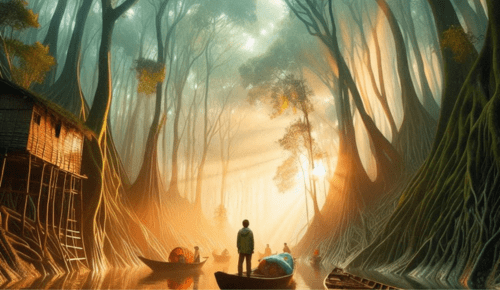
    The Sundarbans is a magical destination, offering a blend of adventure, wildlife, and natural beauty. Known for its dense mangrove forests and the majestic Royal Bengal Tiger, the Sundarbans is a UNESCO World Heritage Site and one of the most sought-after travel destinations in India. Whether you are a wildlife enthusiast or a nature lover, sundarban travels promise an unforgettable experience. A well-planned Sundarban tour package ensures you explore the rich biodiversity, serene waterways, and cultural heritage of this remarkable region.


    Why Choose Sundarban for Your Next Adventure?

    The Sundarbans is not just a forest; it’s an ecosystem that supports a diverse range of flora and fauna. The intricate network of rivers, creeks, and mangroves creates a breathtaking landscape that is both beautiful and mysterious. A Sundarban tour allows you to witness this unique natural habitat while experiencing the thrill of spotting wildlife in their natural environment.


    Best Time to Visit Sundarbans

    The ideal time to visit the Sundarbans is between November and March when the weather is pleasant and the chances of spotting wildlife are higher. The cool and dry climate makes it comfortable for boat rides and forest exploration. During this time, the water levels are stable, providing better access to the core areas of the forest.


    Top Attractions in Sundarbans

    1. Sajnekhali Wildlife Sanctuary

    Sajnekhali Wildlife Sanctuary is one of the most popular spots in Sundarbans. It houses a variety of bird species, including kingfishers, sandpipers, and herons. The watchtower here offers a panoramic view of the forest and the chance to spot the Royal Bengal Tiger, crocodiles, and other wildlife.


    2. Sudhanyakhali Watch Tower

    This is one of the best places to see the elusive Royal Bengal Tiger. The watchtower overlooks a large freshwater pond where animals often gather to drink, making it an ideal spot for wildlife sightings.


    3. Netidhopani

    Netidhopani is known for its ancient ruins and spiritual significance. The site features the remnants of a 400-year-old temple, adding a historical touch to your Sundarban experience.


    Sundarban Tour Packages – What to Expect

    A Sundarban tour package is designed to offer you a hassle-free and immersive experience. Most packages include accommodation, meals, guided tours, and transportation from Kolkata. Depending on the duration and type of package, you can explore different parts of the Sundarbans, from core forest areas to local villages.


    Types of Sundarban Tour Packages

    1. One-Day Tour

    Perfect for those with limited time, the one-day tour covers major attractions like Sajnekhali and Sudhanyakhali. It includes a boat ride through the mangroves and a guided forest walk.

    2. Two-Day Tour

    A two-day tour allows for a deeper exploration of the forest. You’ll have time to visit more remote areas, spot wildlife, and experience local culture through village visits.

    3. Three-Day Tour

    The three-day tour offers the most comprehensive experience. It includes multiple safaris, bird-watching sessions, village visits, and opportunities to interact with local fishermen and honey collectors.


    Benefits of Hiring a Professional Sundarban Tour Operator

    Choosing an experienced sundarban tour operator ensures you have a smooth and safe trip. Professional tour operators provide knowledgeable guides who understand the terrain and wildlife behavior, increasing your chances of spotting rare species. They also arrange comfortable lodging and authentic local cuisine, ensuring you have a comfortable stay.


    Wildlife in Sundarbans

    The Sundarbans is home to an incredible variety of wildlife. Apart from the Royal Bengal Tiger, you can spot saltwater crocodiles, spotted deer, wild boars, and various species of snakes and lizards. Bird lovers will be thrilled by the sight of kingfishers, eagles, and sandpipers. The mangroves also support marine life, including mudskippers and crabs.


    Cultural Experience in Sundarbans

    The local communities in Sundarbans have a rich cultural heritage. Traditional fishing, honey collection, and folk music are integral to their way of life. A visit to a local village allows you to experience their warm hospitality and taste freshly prepared seafood dishes.


    Adventure Activities in Sundarbans

    1. Boat Safaris

    Boat safaris are the best way to explore the waterways and spot wildlife. The boats are designed to navigate narrow creeks and channels, giving you a close view of the mangroves and the animals.

    2. Bird Watching

    With over 300 species of birds, Sundarbans is a paradise for bird watchers. Early morning boat rides provide the best opportunities to spot rare and exotic species.

    3. Village Walks

    Guided village walks allow you to interact with locals and understand their way of life. You can watch traditional fishing techniques and see how honey is collected from the wild.


    How to Reach Sundarbans

    Sundarbans is easily accessible from Kolkata. The most common route is to take a train or car to Canning, followed by a boat ride to your destination. Most tour packages include transportation from Kolkata, making it convenient for travelers.


    What to Pack for Your Sundarban Trip

    Packing the right essentials ensures a comfortable trip. Here’s a quick list:
    ✅ Light cotton clothing
    ✅ Sunglasses and sunscreen
    ✅ Insect repellent
    ✅ Comfortable walking shoes
    ✅ Binoculars for wildlife spotting
    ✅ A good-quality camera


    Eco-Tourism and Conservation

    Eco-tourism plays a crucial role in protecting the Sundarbans’ fragile ecosystem. By choosing eco-friendly tour operators and avoiding plastic waste, you contribute to preserving this natural wonder. Responsible tourism ensures future generations can enjoy the Sundarbans’ beauty and biodiversity.


    Tips for a Safe and Enjoyable Sundarban Trip

    • Always follow the guide’s instructions during safaris.
    • Avoid making loud noises to prevent disturbing wildlife.
    • Wear life jackets during boat rides.
    • Do not litter; carry your waste back with you.
    • Respect local customs and traditions.

    Why Sundarbans Should Be on Your Travel Bucket List

    A trip to the Sundarbans is more than just a holiday—it’s an adventure into one of the world’s most fascinating ecosystems. From the thrill of spotting a Royal Bengal Tiger to the tranquility of sailing through the mangroves, every moment in Sundarbans is magical. A well-organized Sundarban tour package ensures you experience the best of this destination without any stress.


    Conclusion

    If you are looking for an unforgettable adventure, Sundarbans is the perfect destination. Its rich biodiversity, stunning landscapes, and cultural charm make it a once-in-a-lifetime experience. Book your trip with a trusted Sundarban tour operator and get ready to explore the wonders of the Sundarbans. Don’t miss the chance to discover one of the most captivating natural wonders in the world!

  • Tokyo, Japan: A Fascinating Blend of Tradition and Modernity

    Tokyo, Japan: A Fascinating Blend of Tradition and Modernity

    Tokyo, the capital of Japan, is a mesmerizing metropolis that perfectly blends ancient traditions with cutting-edge technology. From historic temples and serene gardens to futuristic skyscrapers and vibrant nightlife, Tokyo offers a unique experience for travelers. Whether you are a culture enthusiast, a food lover, or an adventure seeker, Tokyo has something for everyone.

    Best Places to Visit in Tokyo1. Shibuya and Shinjuku – The Heart of Urban Tokyo

    Shibuya is home to the world-famous Shibuya Crossing, often called the busiest pedestrian crossing in the world. It is also a major fashion and entertainment hub. Just a short train ride away, Shinjuku boasts towering skyscrapers, bustling shopping districts, and the serene Shinjuku Gyoen National Garden.

    2. Asakusa and Senso-ji Temple – A Glimpse of Traditional Japan

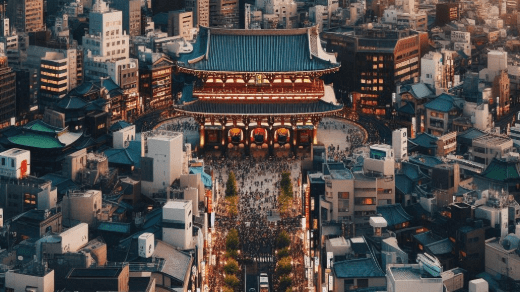
    For those interested in Japan’s rich history, Asakusa is the place to be. The district is home to Senso-ji, Tokyo’s oldest and most significant Buddhist temple. Visitors can explore Nakamise Street, lined with shops selling traditional souvenirs, sweets, and snacks.

    3. Akihabara – The Electronics and Anime Paradise

    Akihabara, also known as “Electric Town,” is a dream destination for tech enthusiasts and anime lovers. The area is packed with electronics stores, gaming arcades, and themed cafes dedicated to anime, manga, and pop culture.

    4. Tokyo Disneyland and DisneySea – A Magical Escape

    For a family-friendly experience, Tokyo Disneyland and DisneySea offer world-class attractions, thrilling rides, and captivating shows. These theme parks provide an unforgettable experience for both kids and adults.

    5. Odaiba – The Futuristic Waterfront City

    Odaiba, a man-made island in Tokyo Bay, features impressive attractions such as TeamLab Borderless, DiverCity Tokyo Plaza, and the life-sized Gundam statue. It is a fantastic spot for a modern cityscape experience.

    Culinary Delights in TokyoSushi and Sashimi

    Tokyo is the best place to try authentic sushi and sashimi, with renowned restaurants like Sukiyabashi Jiro and the Tsukiji Outer Market offering fresh seafood delights.

    Ramen and Udon

    Ramen lovers can explore districts like Shinjuku and Ikebukuro, where some of the best ramen shops serve flavorful broths and handmade noodles. Udon, a thick wheat noodle, is another must-try dish.

    Street Food and Izakayas

    For a casual dining experience, Tokyo’s street food scene offers delicious options like takoyaki (octopus balls), taiyaki (fish-shaped pastries), and yakitori (grilled skewers). Izakayas (Japanese pubs) provide an excellent way to experience local nightlife.

    Shopping in TokyoGinza – Luxury Shopping District

    Ginza is Tokyo’s high-end shopping paradise, featuring designer boutiques, luxury department stores, and flagship stores of international brands.

    Harajuku – The Trendsetter’s Haven

    Harajuku is famous for its unique street fashion, quirky boutiques, and trendy cafes. Takeshita Street is a must-visit for those looking for kawaii (cute) fashion.

    Local Markets

    Markets like Ameya-Yokocho in Ueno offer a mix of street food, clothing, and souvenirs, making it a great place to shop for authentic Japanese items.

    Best Time to Visit Tokyo

    The best time to visit Tokyo is during spring (March to May) when cherry blossoms bloom or in autumn (September to November) when the foliage turns vibrant shades of red and gold. These seasons offer pleasant weather, perfect for exploring the city.

    Travel Tips for a Seamless Tokyo Experience

    • Public Transport: Tokyo has an efficient train and subway system. Consider getting a Suica or Pasmo card for convenient travel.
    • Language: While English is not widely spoken, signage in English is available in major areas.
    • Currency: The Japanese Yen (JPY) is the official currency. Credit cards are accepted in most places, but carrying cash is recommended for smaller shops and markets.
    • Cultural Etiquette: Bowing is a common greeting, and it’s essential to follow etiquette when dining or using public transport.

    Conclusion

    Tokyo is an incredible destination that caters to all types of travelers, whether you seek historical sites, futuristic attractions, culinary experiences, or shopping delights. As one of the top destinations included in various Japan Tour Packages, Tokyo promises an unforgettable adventure.

    If you’re planning your next getaway, consider exploring the vibrant capital of Japan through carefully curated Japan Vacation Packages with Indian food to make the most of your journey.

  • Tailor-Made Holidays: Exploring the Unique Charm of Cuba

    Tailor-Made Holidays: Exploring the Unique Charm of Cuba

    Whatever your reason for travel, whether it’s diving, sailing, adventure, or immersing yourself in a completely different culture, Cuba is the ultimate destination. This enchanting Caribbean island offers a rich blend of stunning landscapes, vibrant culture, and unique experiences. With tailor-made holidays, you can create a personalised journey that perfectly matches your interests, ensuring an unforgettable adventure.


    Why Choose Cuba for a Tailor-Made Holiday?

    Cuba’s diverse offerings make it the ideal destination for bespoke travel. From its breathtaking natural beauty to its rich cultural heritage, here’s why Cuba should top your list:

    1. A Landscape of Variety

    Cuba’s geography is incredibly diverse, featuring everything from pristine beaches and lush valleys to rugged mountains and vibrant cities. Whether you’re exploring the dramatic mogotes of Viñales Valley or relaxing on the beaches of Cayo Coco, the island offers something for every traveller.

    2. Cultural Richness

    Cuban culture is a vibrant mix of African, Spanish, and indigenous influences. Its music, dance, cuisine, and history provide countless opportunities for cultural immersion, making it a standout destination for those who love to explore traditions.

    3. Adventure and Relaxation

    Cuba caters to adventurers and those seeking tranquility alike. You can hike, dive, and sail, or simply unwind on serene beaches and in charming countryside retreats.


    Crafting Your Tailor-Made Cuban Journey

    A tailor-made holiday allows you to build an itinerary that aligns with your passions. Whether you’re diving into the ocean’s depths, exploring cultural landmarks, or sailing along Cuba’s coastlines, your options are endless.


    1. Diving into Cuba’s Underwater Paradise

    Cuba is a diver’s dream destination. Its turquoise waters, vibrant coral reefs, and diverse marine life create an underwater world like no other.

    • Jardines de la Reina (Gardens of the Queen): This protected marine park offers untouched reefs and encounters with sharks, turtles, and tropical fish.
    • Cayo Largo: Ideal for divers of all levels, this location boasts calm waters and colorful coral formations.
    • Bay of Pigs: Known for its historical significance, this area also features underwater caves, shipwrecks, and thriving marine ecosystems.

    Tailoring your holiday to include diving ensures you explore these remarkable spots at your own pace.


    2. Sailing Along Cuba’s Stunning Coastlines

    Cuba’s extensive coastline and surrounding islands make it a paradise for sailing enthusiasts. A sailing trip allows you to discover hidden gems and enjoy the island’s beauty from a unique perspective.

    • The Canarreos Archipelago: This chain of islands, including Cayo Largo, is perfect for yacht charters and relaxed sailing excursions.
    • Havana Harbor: Pair your sailing adventure with time spent exploring the vibrant streets and historic landmarks of Cuba’s capital.
    • Cienfuegos Bay: Known as the “Pearl of the South,” this UNESCO World Heritage Site offers a mix of natural beauty and cultural attractions.

    A tailor-made sailing holiday ensures you balance adventure with moments of relaxation.


    3. Immerse Yourself in Cuban Culture

    Cuba’s culture is one of its most enchanting features. A tailor-made cultural holiday lets you delve into the island’s history, traditions, and way of life.

    • Old Havana: Explore this UNESCO World Heritage Site’s cobblestone streets and colonial architecture.
    • Music and Dance: Experience live salsa, son, or Afro-Cuban jazz performances in Havana or Santiago de Cuba.
    • Cuisine: Savor traditional dishes like ropa vieja (shredded beef) and moros y cristianos (black beans and rice) at local paladares (private restaurants).

    Customising your cultural experiences allows you to focus on the aspects of Cuban life that resonate most with you.


    Why Tailor-Made Holidays Are the Ideal Choice

    Tailor-made holidays provide flexibility, personalisation, and unique opportunities to explore Cuba. Here’s why they’re the best way to travel:

    1. Customised Itineraries

    Your trip is built around your preferences, ensuring every moment is meaningful and memorable.

    2. Flexibility

    Explore Cuba at your own pace. Whether you want to extend your stay or add an activity, your itinerary adapts to your needs.

    3. Expert Guidance

    Travel specialists like www.captivatingcuba.com bring local expertise and insider knowledge to your journey, ensuring seamless planning and authentic experiences.

    4. Authentic Experiences

    Tailor-made travel often includes opportunities to connect with locals, giving you a deeper understanding of Cuban culture and traditions.


    Conclusion

    Cuba’s incredible diversity, vibrant culture, and endless opportunities for exploration make it the perfect destination for tailor-made holidays. Whether you’re diving into crystal-clear waters, sailing along scenic coastlines, or immersing yourself in the island’s cultural treasures, a personalised trip ensures an unforgettable adventure.

    For expert guidance in planning your Cuban holiday, visit www.captivatingcuba.com. With their local insights and personalised approach, they’ll help you create a journey that’s truly your own.

    Embark on a tailor-made holiday to Cuba and discover why this enchanting island is unlike anywhere else in the world.

  • ICERP 2025: Showcasing Breakthroughs in Composites at India’s Biggest Expo

    ICERP 2025: Showcasing Breakthroughs in Composites at India’s Biggest Expo

    The composite industry in India is advancing. With the progress of the companies, researchers and professionals, the industry is going to address numerous existing challenges. The innovations and breakthroughs that are thus developed can be shared through a large and central platform. This platform is brought to the public by FRP institute biennially in the form of the International Conference & Exhibition on Reinforced Plastics (ICERP).

    Discover the Breakthroughs in Indian Composite Industry

    Among the numerous programs scheduled for the composite manufacturers in India, all of them are certain to offer knowledge, information and new opportunities. Here is what to expect:

    Conferences: The separate organisation of technical and business conferences in the event will ensure the audience knows what program to attend. The technical conference will involve paper presentations indicating the ideas, concepts, designs and much more. It will focus on case studies, novel applications, raw materials, process developments, machinery, and others. Business conferences will be based on market insights, data and existing issues.

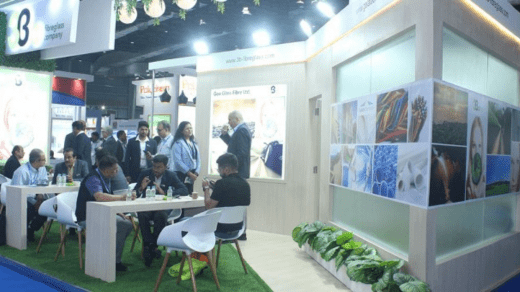
    Exhibitions: These will be led by companies that are enthusiastic about showcasing their capabilities. They will provide insights into their offerings like raw materials, products, services, equipment, accessories and much more. These will serve as breakthroughs that encourage novel developments and meet the needs of individuals in the composite industry.

    Product display: The innovative and novel products will catch the attention of visitors at the resin exhibition in India. The innovations will encompass a broad range of services, such as new composites, quality improvements, encouraging environment-friendly manufacturing, and much more.

    Process demonstrations:At the reinforced plastics exhibition, the focus is to explain the mechanisms and methods of performing the procedure. It will meet the needs of end users andyoung entrepreneurs. The breakthroughs depicted here will contribute to skill development and learning.

    Composites Industry Exhibition: ICERP

    Research and development that lead to novel prototypes, products, services, and other offerings are shaping the composite industry. Access to all of these can be found at the grand event that brings together the professionals. Witnessing both national and global participants, ICERP encourages new business ventures and possibilities beyond the country. You can be part of it by registering for the slot.