Category: Medical

  • How Dental Implants Can Restore Your Smile

    How Dental Implants Can Restore Your Smile

    Dental implants have become a popular solution for individuals seeking to restore their smiles after tooth loss. Unlike traditional dentures or bridges, dental implants provide a permanent and stable foundation for replacement teeth. This article explores the benefits of dental implants, how they work, and their role in enhancing your overall oral health and confidence.

    The Benefits of Implant Tooth Replacement

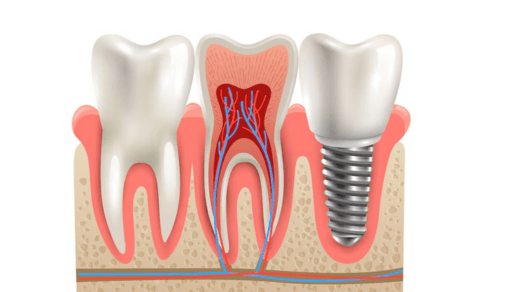
    The implant tooth replacement offers numerous advantages over other dental restoration options. One of the primary benefits is the natural appearance and functionality of dental implants. Made from biocompatible materials, they mimic the look and feel of natural teeth, allowing patients to smile confidently without worrying about their teeth shifting or falling out.

    Another significant advantage of dental implants is their durability. With proper care, they can last a lifetime, making them a cost-effective solution in the long run. Unlike traditional bridges that may need replacement every 5-15 years, implants are designed to integrate with the jawbone, providing a stable and long-lasting foundation for crowns or dentures. This integration also helps preserve the jawbone, preventing the bone loss that often occurs after tooth extraction.

    The Procedure for Dental Implants

    The process of obtaining dental implants typically involves several steps, starting with a comprehensive consultation with your dentist. During this appointment, your dentist will evaluate your oral health, discuss your goals, and determine if you are a suitable candidate for dental implants. If you have existing issues such as gum disease or insufficient bone density, your dentist may recommend treatments to address these concerns before proceeding.

    Once you are deemed a candidate, the implant procedure begins with the surgical placement of the titanium post into the jawbone. This post serves as the artificial tooth root. After the surgery, a healing period of several months is necessary for osseointegration, during which the bone fuses with the implant, providing stability and support.

    Enhancing Oral Health with Dental Implants

    In addition to restoring your smile, dental implants contribute significantly to your overall oral health. When a tooth is lost, the surrounding teeth can shift, leading to misalignment and additional dental issues. Dental implants help maintain the proper alignment of your teeth by filling the gap left by the missing tooth.

    Addressing Tooth Pain Treatment with Implants

    For patients experiencing chronic tooth pain due to damaged or decayed teeth, dental implants can serve as an effective tooth pain treatment. By replacing problematic teeth with implants, patients can eliminate pain and discomfort associated with dental issues. The process not only alleviates existing pain but also prevents future complications that can arise from untreated dental problems.

    Additionally, dental implants can improve overall oral function, allowing patients to eat and speak without discomfort. This enhancement in quality of life is a significant reason many individuals choose dental implants over other restorative options.

    Conclusion

    Dental implants offer a comprehensive solution for restoring your smile and improving your oral health. With benefits such as natural appearance, durability, and the prevention of bone loss, they stand out as a superior choice for tooth replacement. The procedure for dental implants, while requiring careful planning and execution, ultimately leads to a long-lasting and functional result.

    If you are considering dental implants as an option for restoring your smile, consult with a qualified dental professional to discuss your needs and determine the best course of action. Investing in dental implants can lead to a healthier, more confident smile that enhances your overall quality of life.

  • Enhancing Wellness: Integrating Physical Therapy with CoolSculpting Services

    Enhancing Wellness: Integrating Physical Therapy with CoolSculpting Services

    In today’s world, where wellness and self-care are increasingly prioritized, the integration of physical therapy and CoolSculpting services offers a holistic approach to achieving health and aesthetic goals. Both modalities serve distinct yet complementary purposes, aiming to enhance overall well-being through targeted interventions. This article explores how combining physical therapy with CoolSculpting can provide comprehensive benefits, from rehabilitation to body contouring.

    Understanding Physical Therapy

    Physical therapy (PT) is a specialized healthcare discipline aimed at improving mobility, function, and quality of life through therapeutic interventions. It encompasses a wide range of treatments tailored to individual needs, including exercises, manual therapy, and modalities like ultrasound and electrical stimulation. PT is commonly prescribed for conditions such as sports injuries, chronic pain, and post-surgical rehabilitation.

    The Role of CoolSculpting Services

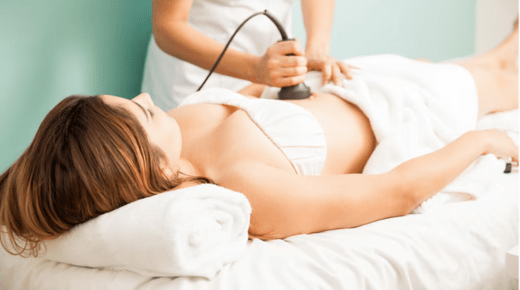
    CoolSculpting, on the other hand, is a non-invasive fat reduction procedure that uses controlled cooling to eliminate stubborn fat cells resistant to diet and exercise. This FDA-cleared treatment targets specific areas such as the abdomen, thighs, and flanks, effectively reducing fat bulges without surgery or downtime. CoolSculpting has gained popularity for its ability to contour the body safely and efficiently.

    Synergy in Treatment: How They Complement Each Other

    While physical therapy focuses on functional improvement and pain management, CoolSculpting enhances physical appearance by reducing localized fat deposits. Integrating these services can provide a comprehensive approach to wellness. For instance, individuals recovering from orthopedic surgeries may benefit from PT to regain strength and mobility, while CoolSculpting can help them achieve their desired body contours once they have healed.

    Case Studies: Real-World Applications

    Consider Sarah, a marathon runner recovering from a knee injury. Sarah undergoes physical therapy to strengthen her muscles and improve her gait. Once she completes her PT program and returns to her regular exercise routine, she notices persistent fat pockets around her abdomen despite her rigorous training. Sarah decides to complement her rehabilitation with CoolSculpting treatments to target these areas and achieve a more streamlined physique without compromising her recovery progress.

    Similarly, John, a busy professional experiencing chronic back pain from long hours at his desk, undergoes physical therapy to alleviate his symptoms and improve his posture. Upon consultation with his healthcare provider, John learns about CoolSculpting as a non-invasive option to address stubborn fat deposits around his waistline. By combining PT to manage his pain and CoolSculpting to contour his midsection, John experiences a holistic improvement in both his physical comfort and appearance.

    Benefits Beyond Aesthetics: Wellness and Confidence

    Beyond the physical benefits, the integration of physical therapy and coolsculpting services promotes mental well-being and confidence. Many individuals find that achieving their desired physique through CoolSculpting enhances their self-esteem, especially when combined with improved mobility and reduced pain from physical therapy. This comprehensive approach fosters a sense of empowerment and overall wellness.

    Choosing the Right Combination

    The decision to integrate physical therapy with CoolSculpting should be guided by individual health goals and medical advice. Consulting with qualified healthcare professionals, such as physical therapists and CoolSculpting providers, ensures personalized treatment plans that address specific needs effectively. Whether the focus is on rehabilitation, body contouring, or both, collaboration between healthcare providers can optimize outcomes and enhance the overall patient experience.

    Conclusion

    In conclusion, integrating physical therapy with CoolSculpting services offers a synergistic approach to enhancing wellness. By combining therapeutic interventions with aesthetic treatments, individuals can achieve comprehensive health benefits that encompass both physical function and appearance. Whether recovering from injury, managing chronic conditions, or pursuing aesthetic goals, this integrated approach supports holistic well-being and empowers individuals to live healthier, more fulfilling lives.

    Embracing the synergy between physical therapy and CoolSculpting services reflects a growing trend towards personalized healthcare solutions that cater to diverse patient needs. As these fields continue to evolve, their integration promises continued innovation and improved outcomes in the pursuit of optimal wellness.

  • The Future of Pain Management: The Emerging Trends in Specialist Care

    The Future of Pain Management: The Emerging Trends in Specialist Care

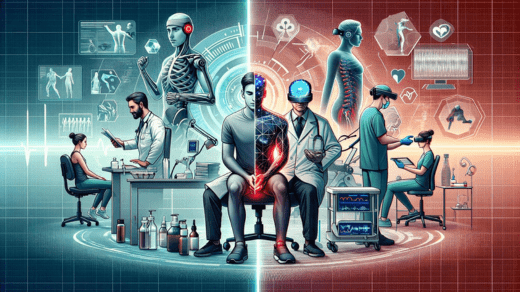
    Stepping into the shoes of a Pain Management Specialist, it’s clear that the future is full of promise. Peachtree city arm pain sufferers, for instance, have more options than ever before. Imagine a world where you wake up without that nagging pain. It’s right around the corner, thanks to remarkable innovations in the field. The future of pain management is unfolding before our eyes, and it’s time we dive into the emerging trends in specialist care that have the potential to revolutionize our approach to pain.

    The Dawn of Non-Invasive Treatments

    Imagine that. A world where pain relief doesn’t need a scalpel. It’s happening – innovative non-invasive treatments are on the rise. Techniques such as spinal cord stimulation and nerve block injections are changing the game. They’re powerful, they’re promising, and they’re here to stay.

    Home-Based Pain Management

    Remember when home remedies were just old wives’ tales? Not anymore. The future is home-based pain management. Technologies like telemedicine and wearable devices make it possible to manage pain from the comfort of our own homes. It’s a brave new world – and it’s happening in our living rooms.

    Personalized Pain Management Plans

    No two people are alike. The same goes for our pain. That’s why personalized pain management plans are taking center stage. These plans take into account the unique aspects of each person’s pain. After all, we’re not just numbers – we’re individuals, and our treatment should reflect that.

    Integrative Approaches

    It’s not just about popping pills anymore. The future of pain management is holistic. It integrates physical therapy, psychological counseling, and lifestyle changes along with medication. It’s about treating the whole person – not just the pain.

    AI and Machine Learning

    Artificial Intelligence. Machine Learning. They’re not just buzzwords – they’re the future of pain management. AI and Machine Learning can analyze vast amounts of data to predict and manage pain levels. It’s revolutionary – and it’s just the beginning.

    The future of pain management is exciting. It’s not just about managing pain – it’s about reclaiming our lives. The emerging trends in specialist care are not just innovations. They’re a beacon of hope for those living with chronic pain. It’s a new dawn – a future where pain doesn’t get the final say.

  • Miscarriage: Understanding Symptoms, Causes, and Treatment

    Miscarriage: Understanding Symptoms, Causes, and Treatment

    What is a Miscarriage?

    A miscarriage, recognized as spontaneous abortion, is a sorrowful affair that occurs when a landed pregnancy is aborted at more than 20 weeks due to biological reasons. It is a horrifying situation that only worsens a bad situation, as it echoes worldwide. Many women endure the pain that significantly affects their families. The reasons for miscarriage are mainly multifaceted because it is multifaceted which include a large spectrum of factors. Genetic defects occurring in the embryo-fetal organ, such as anomalies in chromosomes, can distort the course of pregnancy and may eventually lead to the end of the pregnancy unnaturally. To give a clearer picture, maternal health conditions such as hormonal disorders, uterine abnormalities, infections, and chronic diseases, including diabetes and thyroid disorders, can raise the risk of term. Despite the progress that has been made in medical understanding and care, miscarriage remains a major concern for many parents, and thus why it is necessary, indeed essential, to have support systems and full services that enhance medical understanding and care at hand for those who have been affected by this loss.

    Miscarriage Symptoms

    The ability to identify the signs is one of the key conditions for timely medical services provision to a woman who has a miscarriage. There exist specific miscarriage symptoms that are somewhat similar among expectant mothers whereas others may be specific to a certain stage of the pregnancy.

    The apparitions of the Blessed Mother marked the beginning of the journey towards Mary’s assumption into heaven.

    The first signs of miscarriage could be spotting or bleeding of your vaginal and pain in the lower part of your abdomen, and you could also release material or clots in the vagina. On the other hand, this bundle of symptoms can also reflect pregnancy complications; hence, a healthcare provider’s consultation is necessary to distinguish and handle proper care.

    Miscarriage Bleeding

    Polytia is among the most frequent signs of miscarriage. It can vary from light spotting to heavier blood, almost like menstruating. Bleeding during pregnancy might have different color and consistency, for which the health care providers promptly obtain immediate medical care.

     Miscarriage Blood at 6 weeks

    By the beginning of the sixth week, bleeding while in pregnancy prompts great anxiety. Where there is slight bleeding (either implantation or other harmless reasons) but some cramps, it could be a miscarriage if the bleeding is excessive and is accompanied by severe cramping. When you have decided to seek medical care, getting a proper diagnosis and being treated by the right professional at Kangaroo Care Hospitals is imperative.

    Signs of Miscarriage

    What is more, other symptoms of a miscarriage– like the cessation of belly growth and the absence of pregnancy symptoms such as nausea or mood swings will be apparent to you, too. Moreover, an ultrasound may reveal an empty gestational sac or no fetal heart sound, implying a miscarriage depending.

    Miscarriage Treatment

    The way of dealing with the miscarriage could be dependent on many factors, for example, the stage of pregnancy or underlying cause. In several instances, a technique referred to as dilation and curettage (D&C) would be resorted for the removal of the tissue from the uterus to treat it. On the other hand, an early miscarriage shows the expulsion of the pregnancy tissue naturally in the body.

    Recurrent Pregnancy Loss

    The issue of recurrent pregnancy loss, which is defined as the loss of three or more pregnancies, can bring about emotional and physical challenges for a couple. Undergoing a medical evaluation that details all the factors responsible for the recurrent miscarriages, such as genetic disorders, hormonal imbalance and uterine anomalies, is not optional but a necessity.

    Causes of Abortion

    Miscarriage happens in many ways. It is a result of several factors, which may be a chromosomal abnormality in the fetus, the age of the mother, hormonal imbalances, uterine abnormalities, infections, and certain medical conditions, which include diabetes and thyroid disorders. The root cause, on the other hand, is the most important issue while planning for future pregnancy as it points to the proper care and eventual shelter for the baby.

    3-Month-Old Fetus Miscarriage

    A miscarriage in the first trimester, also known as a miscarriage, occurs at the end of the third month of pregnancy, which can be emotionally agonizing for the expectant parents. The fetus reaches the third month and by then has experienced significant development; a loss of pregnancy can be agony and may involve high emotional distress. The opinion of the friends and family with whom we share our dejection and counseling of the healthcare professionals are key in the processes of coming to terms with the grief and considering ways forward when it comes to another pregnancy.

     4 Month Fetus Miscarriage

    Losing a pregnancy at four months, also known as a second-trimester miscarriage, can be particularly challenging. At this stage, the fetus is more developed, and the loss may involve medical interventions such as induced labor or surgical procedures to remove the pregnancy tissue. Counseling and support groups can provide valuable emotional support during this difficult time.

    Marks that are discerning after the pregnancy termination are unclear.

    These women may find themselves going through such experiences as miscarriage or abortion, and then again, they might think that they will be able to get pregnant again. Symptoms commonly seen after abortions are cramps, shooting pains, vaginal bleeding, nausea, fatigue, and a positive pregnancy test. Nonetheless, it is essential to leave the body enough time to complete this recovery process before trying to conceive again and talk with a healthcare provider about individual assistance.

    Abortion Symptoms

    As opposed to abortions, symptoms may be different depending on the abortion drugs and the stage of pregnancy. Among the symptoms people might experience are excessive bleeding, cramping, vomiting, and tiredness. But it’s vital to make this difference between normal abortion symptoms after the whole procedure and medical complications that require immediate treatment.

    Moving on, we come to the foods that are known to cause miscarriage.

    Naturally, the majority of miscarriages will occur due to things beyond the influence of the patient; however, certain foods and some substances may be risky for pregnancy. These include raw milk, mercury-rich fish, caffeine in large quantities, and alcohol. If meat is not well-cooked or raw, it is also dangerous. It dictates that pregnant women need to watch their diets and take extra care to avoid any harmful substances that could negatively affect their pregnancy.

    In conclusion, understanding the symptoms, causes, and treatment options for miscarriage is essential for women and couples who may experience this heartbreaking loss. Seeking prompt medical attention and emotional support can help navigate the challenges associated with miscarriage and facilitate healing and future pregnancy planning. Book your appointment with the best gynecologist at Kangaroo Care Hospitals to ensure your maternal health.

  • Exploring the Connection Between Endometriosis and Infertility

    Exploring the Connection Between Endometriosis and Infertility

    Introduction

    The involvement of endometriosis in abnormal pregnancy outcomes has become relatively more apparent with the increasing appreciation of this condition as a fertility complication. In this guide, we undertake a detailed examination of the endometriosis and infertility intimate relationship through exploration of the causes, symptoms, and treatment options that bear a direct relationship with the fertility of the women.

    Understanding Endometriosis

    Endometriosis and infertility is the second most widespread condition after uterine myoma. Yet, it remains significantly underrated due to the lack of awareness since endometrial tissue grows outside the uterus (the second most common gynecological disorder among women after uterine myoma, the main effect of which is the lack of awareness). Sometimes ectopic tissue sticks to the various pelvic organs like ‘ovaries’, ‘fallopian tube’, and the ‘pelvic lining’, which cause inflammation, deep scars, and long-lasting pain. Even though endometriosis is increased among women, the major cause of endometriosis is not apparent; thus, several theories have linked the condition to genetic predisposition, hormonal imbalances, immune dysfunction, and environmental causes.

    Endometriosis and Fertility

    Endometriosis is indeed invasive in fertility, affecting close to fifty percent of women seeking infertility treatment; having a variety of factors to contribute to this association is not surprising, as it involves the deformation of reproductive organs, impairment of the ovarian function, alternation of the pelvic environment, and inflammatory mediators come from the endometrial implants. The reproduction process can be disturbed at various stages, from ovulation, fertilization, and implantation to early embryonic development, if these factors are present. These factors will interfere with normal reproductive functions and compromise fertility.

    Endometriosis Cause Infertility

    Among the detrimental effects of endometriosis are dysregulation of the hormone production, incompetent embryo implantation and cytotoxic substances. The embryos may get blocked by the endometrial implants and adhesions. The size can be abnormal, and they can also be attached to pelvic anatomy, which can separate the fallopian tubes and a fruitful transfer of ovum and sperm cannot be made. In addition, it has been established that inflammation and oxidative stress related to endometriosis can transversally affect egg quality, disrupt hormonal balance, and ultimately reduce the implantation chances of the embryo. Similarly, chronic pain around the pelvic area or near reproductive organs that comes with endometriosis can definitely worsen sexual function and also prevent conception.

     20 Symptoms of Endometriosis and Infertility

    Here are 20 symptoms commonly associated with endometriosis:

    1. Pelvic pain (including lower abdominal or pelvic cramping)

    2. Menstrual irregularities (such as heavy or prolonged periods)

    3. Dyspareunia (painful intercourse)

    4. Gastrointestinal disturbances (such as diarrhea, constipation, bloating, or nausea)

    5. Fatigue (persistent tiredness or lack of energy)

    6. Infertility (difficulty conceiving or recurrent miscarriages)

    7. Chronic pelvic pain (continuous or recurrent pain in the pelvic region)

    8. Dysmenorrhea (severe menstrual cramps)

    9. Painful bowel movements (during menstruation or throughout the menstrual cycle)

    10. Painful urination (especially during menstruation)

    11. Back pain (lower back pain, often associated with menstrual periods)

    12. Painful ovulation (mid-cycle pain or discomfort)

    13. Pain during physical activities (such as exercise or prolonged sitting)

    14. Painful defecation (passing stools can be painful, especially during menstruation)

    15. Pain in the legs or thighs (radiating pain from the pelvic region)

    16. Painful pelvic examinations (during gynecological exams)

    17. Painful or irregular periods (including spotting between periods)

    18. Painful bladder syndrome (interstitial cystitis)

    19. Pain during bowel movements (especially during menstruation)

    20. Painful swelling or tender nodules in the pelvic area (endometriomas)

    Endometriosis and infertility patients may manifest a spectrum of features, and the degree of their response may likely be different from patient to patient. As such, a medical evaluation by an expert, including a medical diagnosis, is essential to handle and treat such conditions.

    Endometriosis Surgery

    Surgical procedures, e.g., laparoscopy, used for checking and treating endometriosis, are the most common. The laparoscopy is a minimally invasive method for the surgeon to use a thin and light insert instrument called the laparoscope to visualize and remove the endometrial implants, adhesions, and scar tissues through a small incision on the abdomen. Surgical removal of endometriosis is an absolute measure that helps to deal with symptoms, provides better chances for pregnancy, and gives additional support to fertility treatments.

    Endometriosis Treatment

    To this, the therapist goes on to discuss the medical treatment that is available to treat endometriosis and associated symptoms. Possible medications for the treatment of endometriosis include hormonal ones. They are birth control pills or GnRH agonists. They aim to raise hormone levels, stop the menstrual cycle, relieve pain, and increase endometrial growth. Non-hormonal options, including nonsteroidal anti-inflammatory drugs (NSAIDs) and dietary changes, might be beneficial in relief of symptoms.

    Exploring Infertility

    The concept of infertility, understood as a childless condition after a year of regular affirmative sex without using any contraception, counts millions of couples all over the world. Occasionally, fertility issues may arise from diverse factors, such as male and female reproductive disorders; however, endometriosis remains one of the leading causes of infertility among women of reproductive age.

    Biomarkers to Identify Infertility in Women

    The manifestation of dis fecundity in women can be seen in the form of irregular menstruation, missed or less frequent ovulation, imbalance in hormones, and some gynecological diseases like endometriosis and polycystic ovary syndrome (PCOS). The routine tests that we carry out to point to the causes of infertility, such as hormonal assessments, ovarian reserve tests, imaging studies, and fertility evaluations, are used to reach well-informed infertility treatment decisions.

     Signs and Symptoms of Infertility

    The first symptoms and signs of infertility may differ among patients affected by a wide range of causes, or they could depend on individual factors that are specific to each patient. Apart from cyclicity of period and many gynecological conditions, including endometriosis, infertility may present with concomitant (male factor) problems such as low sperm count, abnormal sperm morphology, and impaired sperm motility. Lifetime factors, age-related decreases in fertility and concurrent essential (medical) conditions are regarded as other vital issues.

    Infertility Treatment

    One of the leading methods of treating infertility, identified to address the causes, optimize the reproductive function, and bring conception, is therapy. The selection of treatments will be determined mainly by each person’s unique diagnosis and situation. Therefore, the treatment may include lifestyle modifications, ovulation induction, intrauterine insemination (IUI), in vitro fertilization (IVF), and assisted reproductive technologies (ART) such as intracytoplasmic sperm injection (ICSI) and preimplantation genetic testing (PGT). Along with psychotherapy, support networks and entire-body approaches would be significant to the mental and spiritual effects of infertility treatment.

    Conclusion
    The intricate interplay between endometriosis and infertility highlights the need for early detection, more elaborate assessment, and individual treatment plans. By making such connections between the causes and the associated symptoms, along with the opportunity to optimize fertility outcomes, individuals dealing with endometriosis can follow their journey to parenthood with hope and fortitude. A continuous search for knowledge, advocacy, and help will help us achieve a higher level of research and provide better life quality for persons with reproductive health and endometriosis problems. Ensure your reproductive health by consulting the best gynecologist at Kangaroo Care Fertility Hospitals. You are just a call away from booking your appointment with the best gynecologist.